

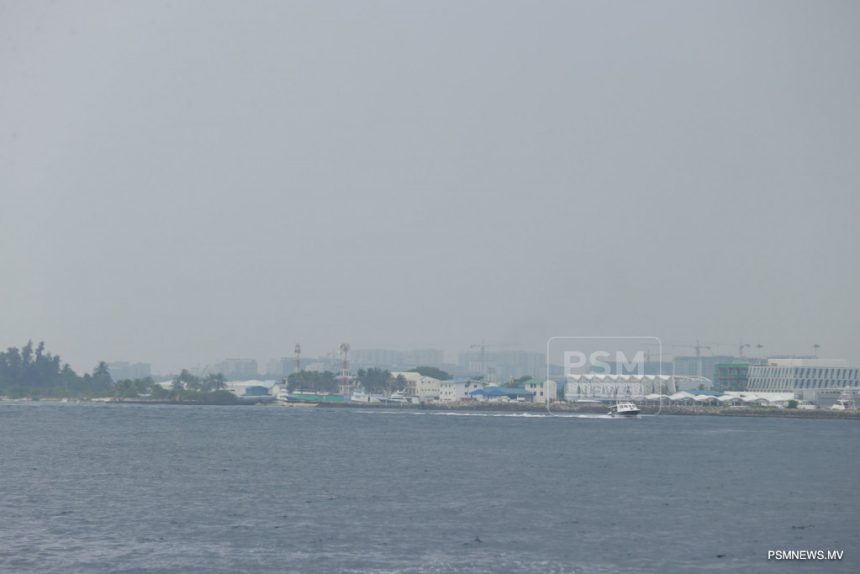
The Government of Maldives has declared seasonal haze conditions a national priority, warning that prolonged exposure to transboundary air pollution poses serious risks to public health, environmental integrity, and the country’s tourism-driven economy.
In a statement issued on Wednesday, the Ministry of Foreign Affairs acknowledged growing public concern over deteriorating air quality and confirmed that the haze affecting the Maldives is part of a wider regional pattern across South Asia. Seasonal wind systems and emissions from neighboring regions are transporting pollutants across borders, placing additional strain on vulnerable island nations.
Officials stressed that the Maldives’ unique geographic profile, with dense population clusters concentrated on limited landmass, heightens the country’s exposure to environmental shocks originating beyond its shores. As a Small Island Developing State, the Maldives faces compounded challenges when regional atmospheric conditions intensify.

The Ministry said it is actively strengthening international engagement to confront the issue through enhanced scientific cooperation, data sharing, and sustained diplomatic dialogue. Efforts are underway to work closely with regional and global partners to address both the immediate impacts of the haze and the structural drivers behind recurring transboundary pollution episodes.
Authorities reaffirmed the government’s commitment to environmental stewardship and sustainable development, underscoring that protecting air quality is inseparable from safeguarding public wellbeing and economic stability.
With tourism serving as the backbone of the Maldivian economy, officials emphasized that ensuring clean air and environmental resilience remains central to the nation’s long-term development strategy.