

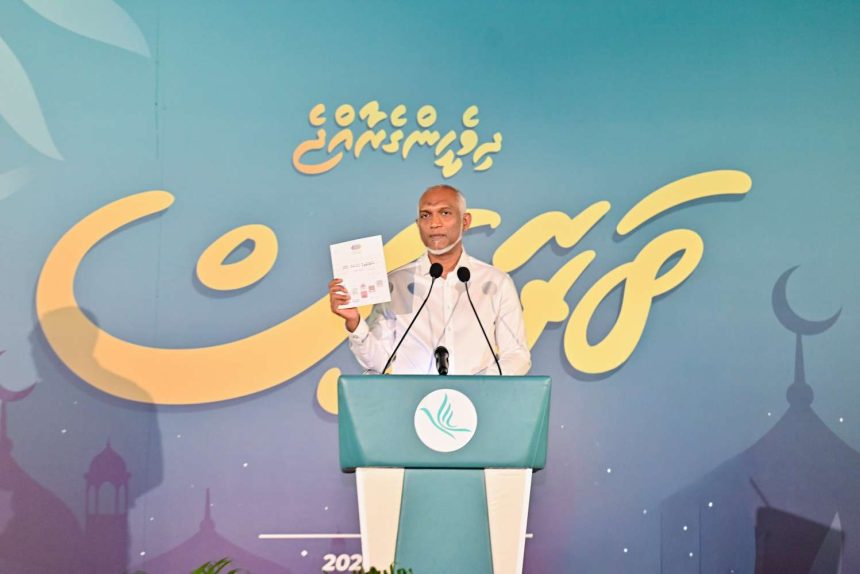
President Dr. Mohamed Muizzu has intensified his call to hold presidential and parliamentary elections on the same day, declaring that synchronizing the two national votes would strengthen democracy, increase voter participation and ensure a smoother implementation of the people’s mandate from day one.
Addressing supporters at the “Dhivehinge Raajje Tharaavees” event organized by the People’s National Congress at Artificial Beach, the President urged the public to back reforms that would end the current six-month gap between presidential and parliamentary polls.
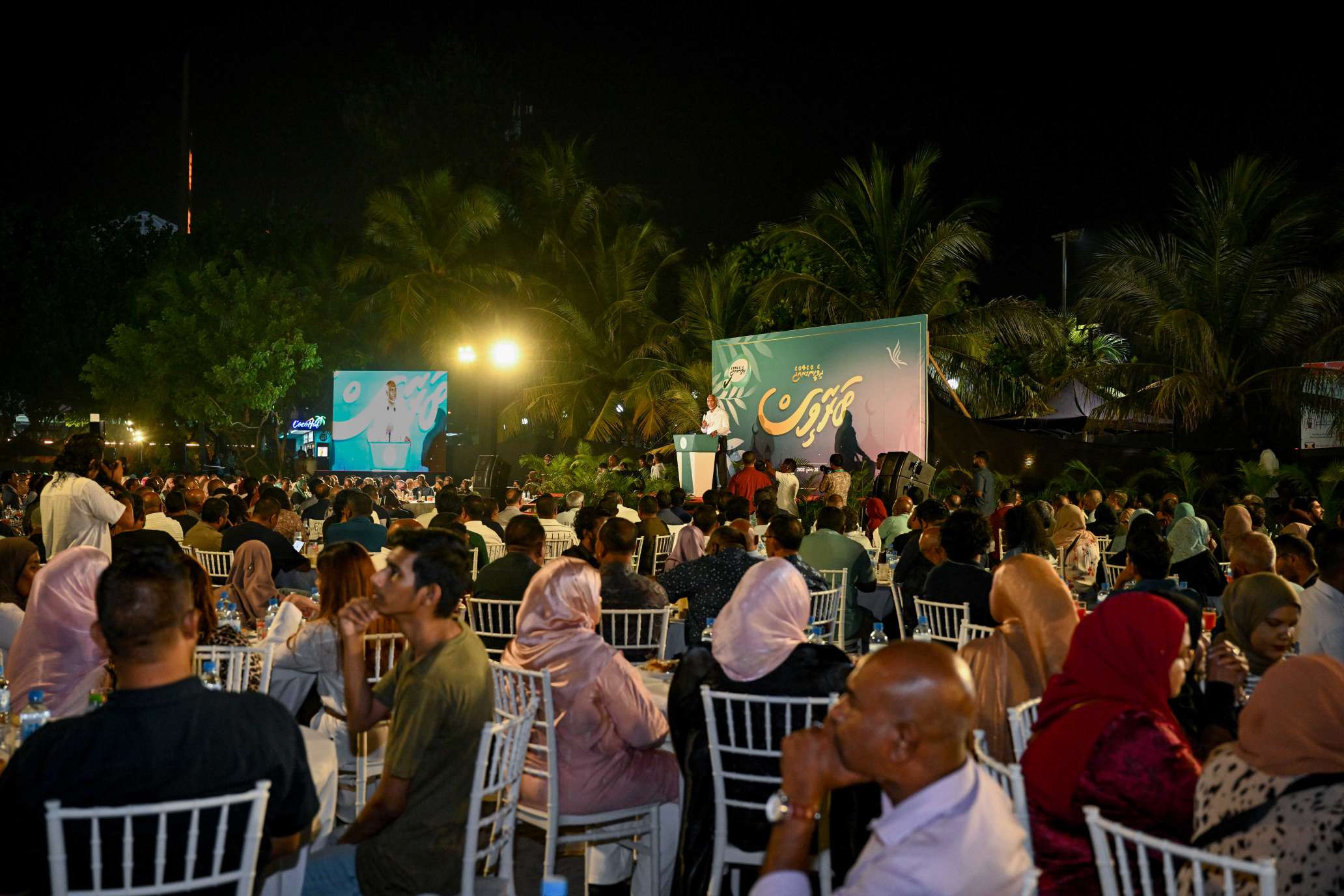

According to President Muizzu, the move would eliminate what he described as opposition reliance on political theatrics across islands ahead of staggered elections, while delivering a more efficient and participatory democratic process.
“One of the primary advantages is the facilitation of greater public participation. Historically, our records show that the highest voter turnout occurs during presidential elections,” he stated.
The President presented historical data to underscore his case. Presidential elections have consistently recorded stronger voter engagement compared to parliamentary contests:
- 2008 Presidential Election first round: 85.37 percent
- 2008 Presidential Election second round: 86.58 percent
- 2009 Parliamentary Election: 70 percent
- 2013 Presidential Election first round: 87.2 percent
- 2013 Presidential Election second round: 94.1 percent
- 2014 Parliamentary Election: 78.8 percent
- 2018 Presidential Election: 89.22 percent
- 2019 Parliamentary Election: 81.32 percent
- 2023 Presidential Election first round: 79.85 percent
- 2023 Presidential Election second round: 87.31 percent
- 2024 Parliamentary Election: 76.27 percent
He argued that aligning parliamentary elections with presidential polls would allow a broader cross-section of citizens to participate in selecting members of parliament, who are entrusted with passing laws, amending legislation and approving the state budget.
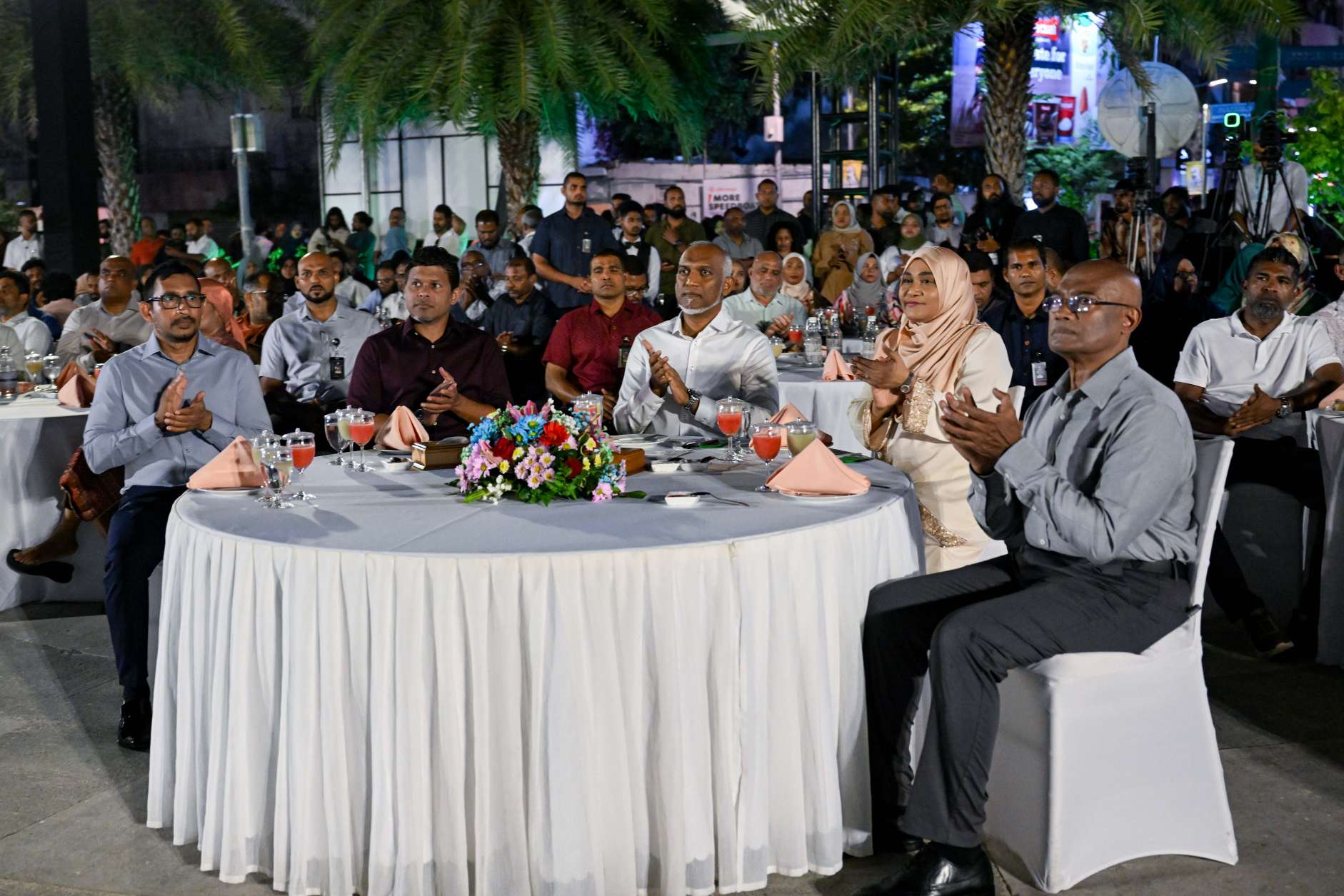
“In a true democracy, it is ideal for these representatives to be elected by a larger segment of the population rather than a few. By aligning the parliamentary election with the presidential election, which sees the highest turnout, we ensure that more citizens have the opportunity to participate in choosing their representatives,” President Muizzu said.
The President also framed the proposal as essential to delivering on campaign pledges without delay. He revealed that governing with a parliament dominated by the Maldivian Democratic Party during his first year created obstacles in executing planned projects.
“I requested many projects to be included in the 2024 budget. However, when the budget was finalized by November 2023, the names were there, but there was no funding allocated to actually carry them out. This resulted in significant difficulties and delays for about ten months,” he explained.
By synchronizing elections, the President asserted, the composition of parliament would immediately reflect the people’s decision at the presidential ballot box, enabling cohesive governance from the outset of a term.
“From the beginning of the term, work will proceed with a unified vision and momentum towards the goals desired by the people. That is a substantial benefit,” President Dr. Muizzu concluded.
The proposed reform is expected to feature prominently in upcoming political discourse as the government advances its broader institutional agenda under the Maldives 2.0 vision.