

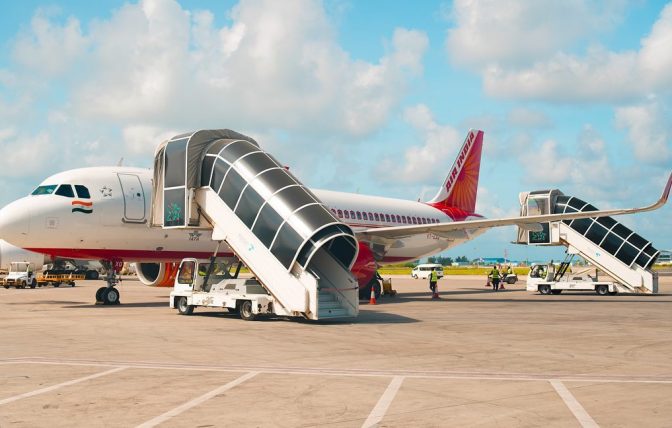
Air India has announced a strategic surge in flight operations to the Maldives, stepping in to bridge the travel gap caused by significant disruptions in Middle Eastern air corridors. The move comes as the ongoing conflict in West Asia continues to force airlines to reroute or cancel services, impacting the traditional transit hubs used by Maldivian travelers and tourists alike.
Expanded Capacity to Secure Travel Stability
The Indian flag carrier confirmed it will operate 78 additional flights between March 10 and March 18. This temporary expansion targets nine vital international routes, specifically connecting major Indian hubs like Delhi and Mumbai with the Maldives, Sri Lanka, Europe, and the United States.
For the Maldives, this translates to more reliable connectivity during a period when the “Big Three” Gulf carriers—Emirates, Qatar Airways, and Etihad—face operational hurdles due to regional instability.

“Our objective is to provide passengers with dependable travel options during this period of regional uncertainty,” stated Air India’s Chief Commercial Officer, Nipun Aggarwal. He emphasized that the airline is utilizing safe, alternative flight paths to bypass restricted zones.
Strategic Impact for Maldivian Tourism
The expansion is particularly critical for the Maldives as the nation targets 2.5 million tourist arrivals in 2026. Recent Ministry of Tourism data indicates that while arrivals surpassed 500,000 early this month, the Middle East conflict has led to sharp fluctuations in daily visitor numbers.
By strengthening the “India-Maldives” bridge, Air India is helping to mitigate the drop-off from European and North American markets that typically transit through the now-congested Gulf hubs.
Fleet and Capacity Details
The surge will add a total of 17,660 seats across the airline’s network. While long-haul European routes will utilize the wide-body Boeing 787-8 Dreamliner, the Malé and Colombo sectors will be serviced by the modern, narrow-body Airbus A320neo.
Why This Matters to You
- For Travelers: Direct flights via India offer a bypass to the logistical bottlenecks currently plaguing Dubai and Doha airports.
- For the Economy: Increased seat capacity helps stabilize tourism arrival rates, which have been threatened by rising fuel costs and war-risk insurance premiums affecting other carriers.
- For Reliability: Daily additional services between Delhi and Malé ensure that residents and visitors have a consistent exit and entry point despite global volatility.