

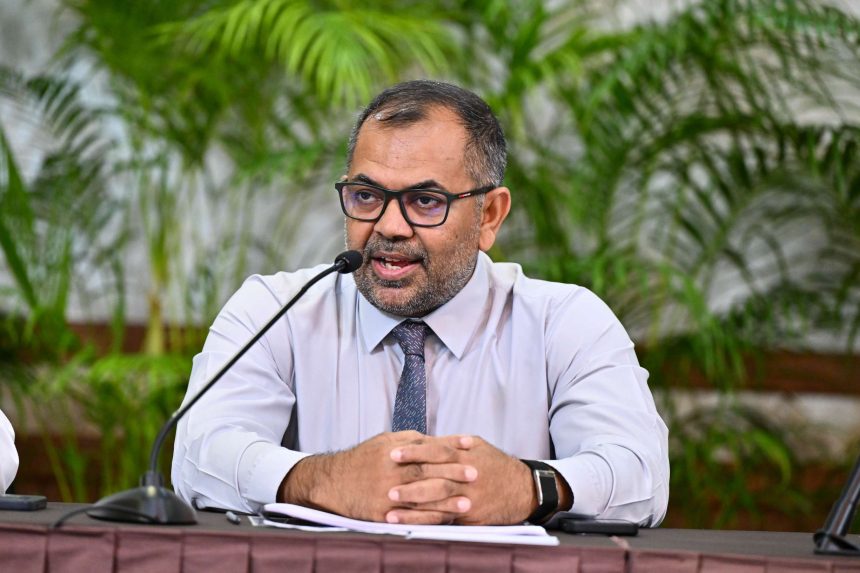
In a decisive move to protect the national economy from the escalating conflict in the Middle East, Finance Minister Moosa Zameer announced today that the government has successfully negotiated an additional $100 million to bolster national reserves.
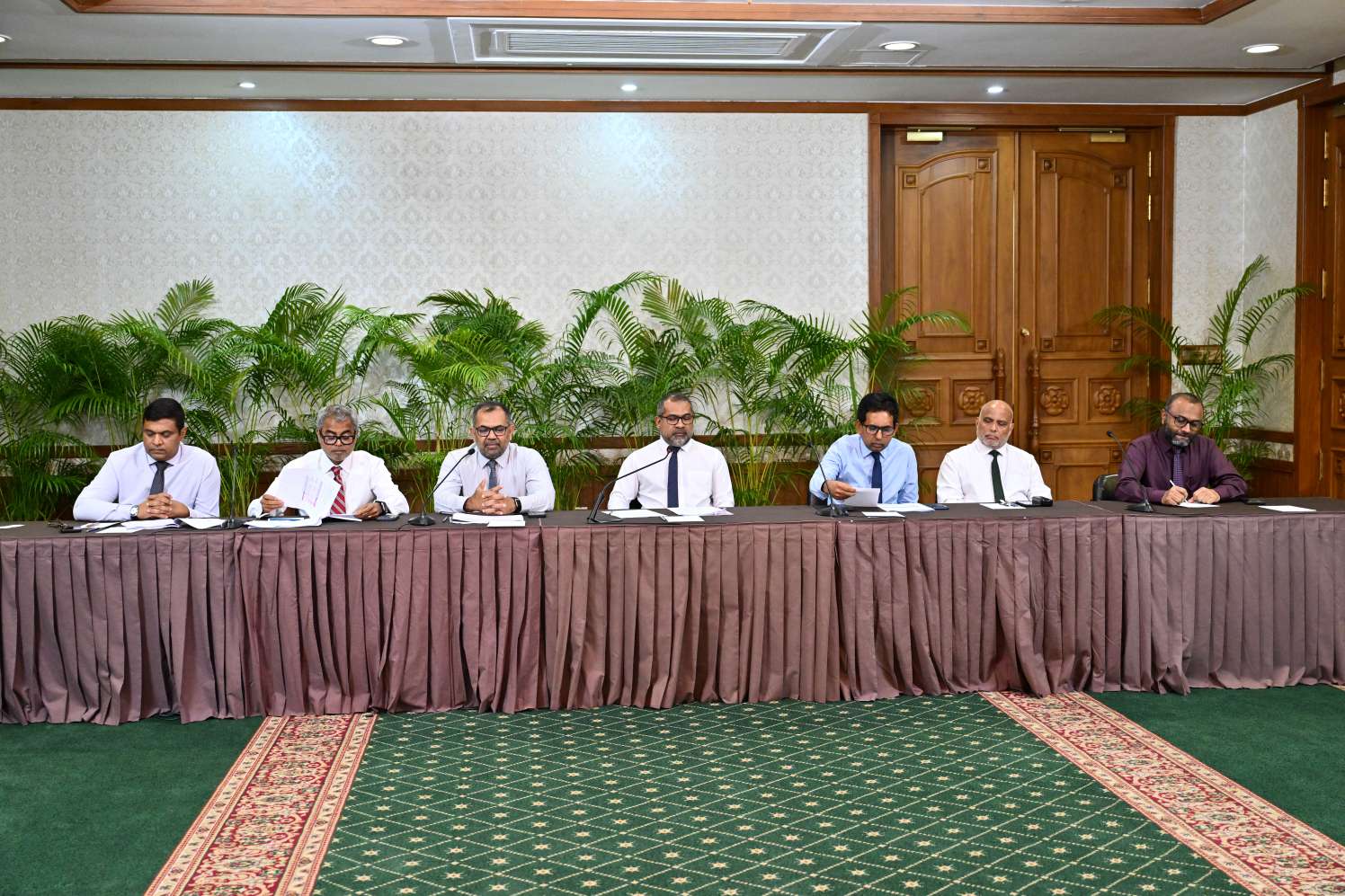
The announcement follows the inaugural meeting of the nine-member Special Cabinet Committee, established by President Dr. Mohamed Muizzu to mitigate the domestic impact of rising global oil prices and regional instability. The newly secured funds are designated to offset the surging costs of fuel imports, ensuring that the Maldives’ essential services remain uninterrupted despite the volatile international market.

Proactive Fiscal Safeguards
Minister Zameer confirmed that the government has reached a formal agreement with two international multilateral agencies to provide the liquidity boost.
“Following high-level discussions, we reached an agreement yesterday to secure $100 million for our reserves,” Minister Zameer stated. “A formal request has been submitted to President Dr. Muizzu for final executive approval. This capital is critical to managing the additional expenditures caused by the sharp rise in global petroleum prices.”
The move is seen as a strategic preemptive strike against the economic “ripple effects” of the Middle East crisis, which has already forced domestic fuel price adjustments of up to 26% this month.
Debt Obligations and Reserve Stability
The infusion of capital arrives at a critical juncture for the Maldives. The state is currently preparing to settle a $500 million Sukuk payment due on April 8, 2026.
While some critics have expressed concern over the impact of this repayment on national liquidity, President Muizzu has remained steadfast, recently assuring the public that the nation’s gross reserves are at a historic high of $1.27 billion.
|
Reserve Component |
Current Balance |
|---|---|
|
Sovereign Development Fund (SDF) |
$320 Million |
|
Usable Reserves |
$330 Million |
|
Total Earmarked for Sukuk |
$650 Million |
By securing the additional $100 million facility now, the administration ensures that even after the $500 million debt is settled, the Maldives will maintain a robust buffer, avoiding the “one-month import cover” trap that has plagued previous administrations.
Navigating Global Turbulence
The Muizzu administration’s “Maldives 2.0” economic strategy focuses on diversifying revenue and strengthening the Sovereign Development Fund (SDF), which the Finance Ministry noted had dwindled to just $2 million when they took office.
By actively engaging with multilateral partners and maintaining a transparent debt-repayment schedule, the government aims to signal stability to international investors. While the specific interest rates for the new $100 million facility remain undisclosed, officials emphasized that the priority is maintaining the flow of essential goods and stabilizing the Maldivian Rufiyaa against external shocks.
“We remain committed to preparedness and safeguarding the interests of all Maldivians,” Minister Zameer added, echoing the administration’s stance on fiscal resilience.