

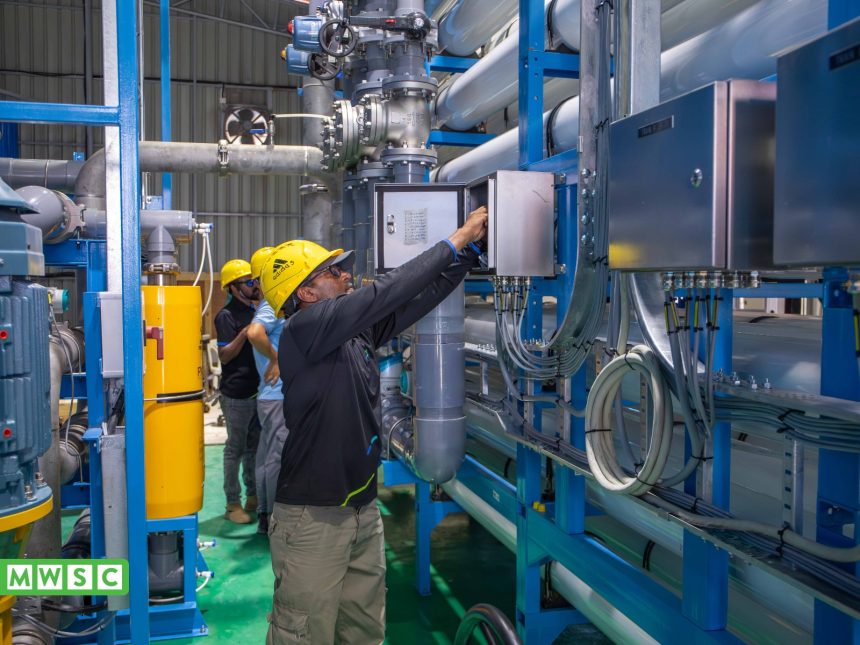
Malé Water and Sewerage Company (MWSC) is marking its 31st anniversary today, highlighting more than three decades of growth from a small utility provider into one of the Maldives’ most critical infrastructure institutions.
Established on April 1, 1995, MWSC was created to address one of Malé’s most pressing challenges at the time — access to safe drinking water and a reliable sewerage system. Over the years, the company has played a central role in improving public health and supporting the country’s urban and economic development.
From Humble Beginnings to National Reach
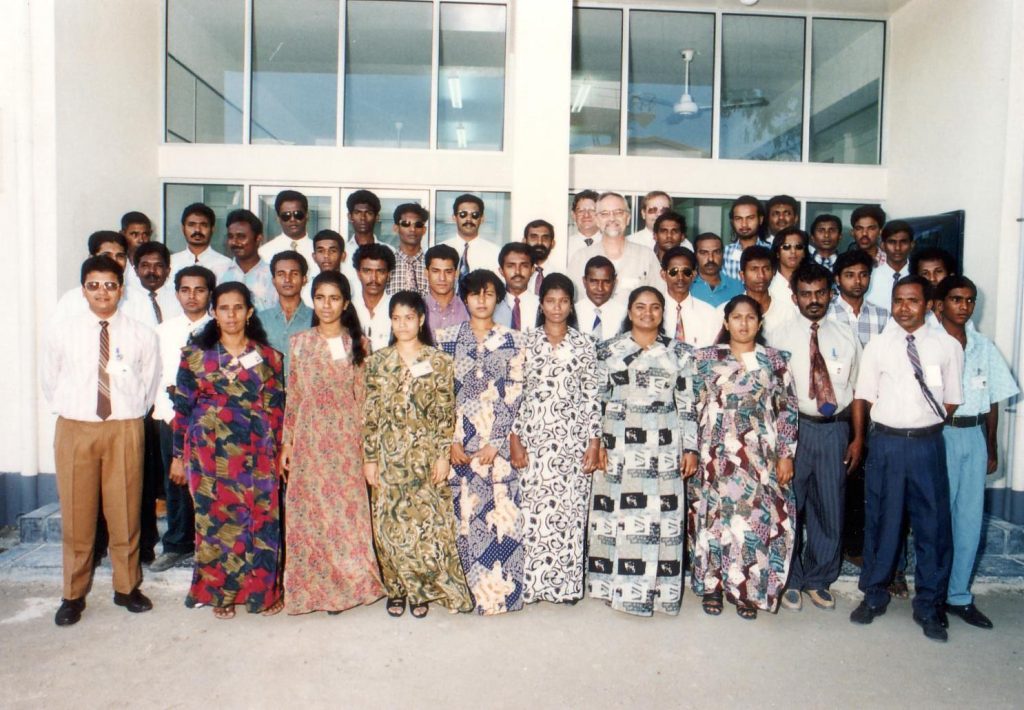
MWSC began operations with just 60 employees, serving a population of around 60,000 in the capital. Today, the company has grown to a workforce of over 1,000 staff, delivering essential services to more than 200,000 people — nearly half of the country’s population.

While its core operations remain centered in Malé, MWSC has expanded its services to several key locations, including Vilimalé, Hulhumalé, Gulhifalhu, Thilafushi, K. Maafushi, R. Dhuvaafaru, and HDh. Kulhudhuffushi. In Dhuvaafaru, the company’s role extends beyond water and sewerage, with responsibilities covering electricity provision, waste management, and ice supply for fishermen.
Strengthening Infrastructure and Water Security
Over the years, MWSC has significantly upgraded its infrastructure to meet growing demand and improve resilience.
At the time of its establishment, the company’s water production capacity stood at 900 cubic metres per day, with storage capacity of 10,000 cubic metres. Today, that capacity has expanded considerably, supported by major investments in desalination technology and storage systems.
In the past year alone, two new reverse osmosis (RO) plants were installed in Malé, each capable of producing between 750 and 1,000 tonnes of water daily. In Hulhumalé, three additional plants — including one with a capacity of 2,500 tonnes per day — have been brought into operation.
As a result, total water production capacity across the Greater Malé region has increased from 44,950 tonnes to 49,900 tonnes per day, while storage capacity has risen by 25 percent, reaching 50,445 tonnes following the addition of a new 10,000-ton tank in Hulhumalé.
A major milestone has also been achieved through the operationalisation of the water backbone network across the Sinamalé Bridge, allowing water to be transferred between Malé and Hulhumalé at a rate of 60 cubic metres per hour during emergencies.
Expanding Services to the Atolls
MWSC’s work has also extended to outer islands, with notable developments in recent years.
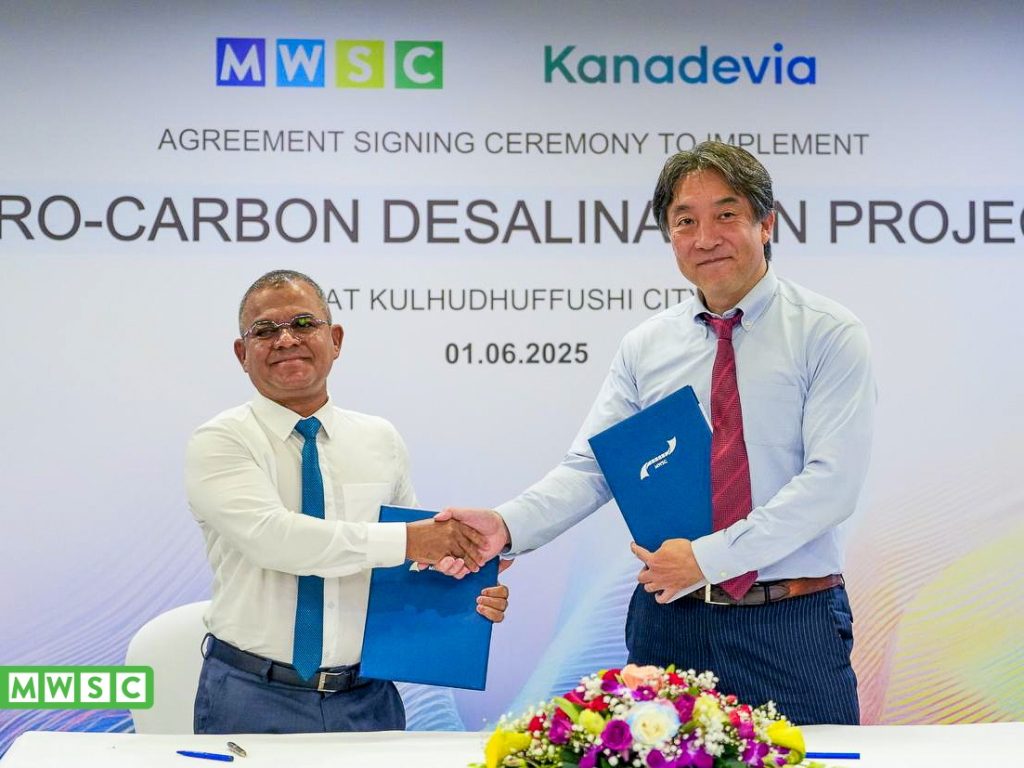
In Kulhudhuffushi, a new 150-ton RO plant has increased total production capacity to 700 tonnes per day, representing a 27 percent improvement. Meanwhile, in Dhuvaafaru, electricity generation capacity has been boosted by 16 percent following the installation of a new generator.
Digital Transformation and Innovation
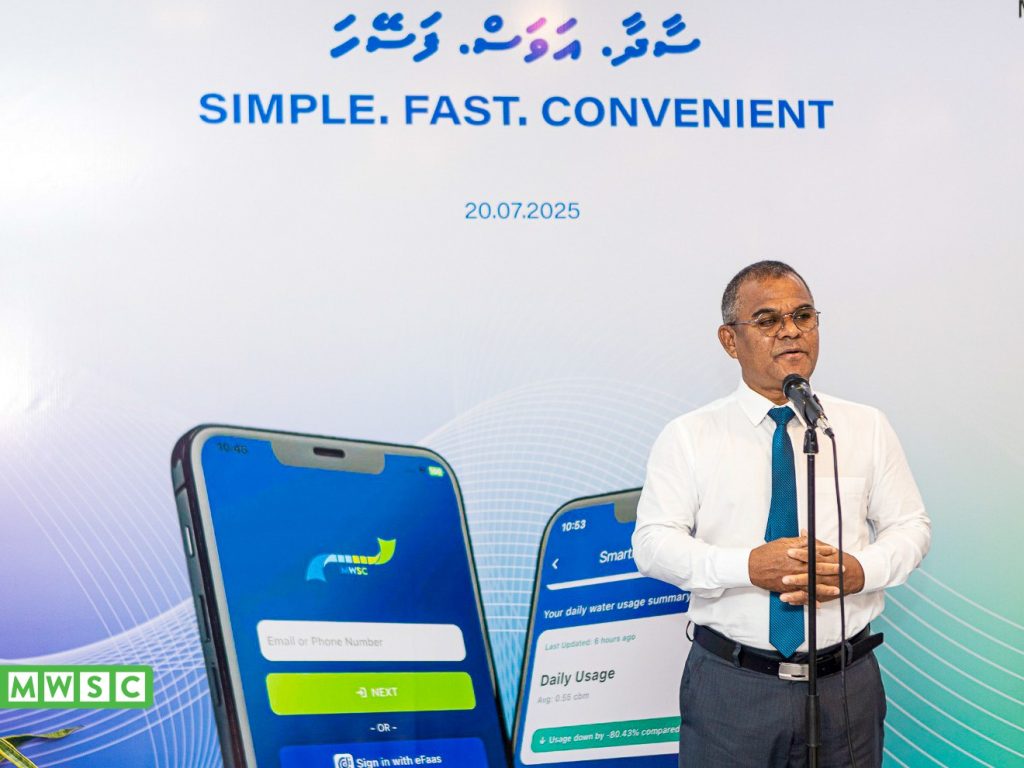
As part of the government’s broader “Maldives 2.0” initiative, MWSC has introduced digital solutions to enhance customer experience. Through its mobile application and online portal, customers can now pay bills, request services, and monitor water usage remotely.
The company is also preparing to roll out prepaid systems and smart meters, aimed at improving efficiency and giving consumers greater control over their usage.
Nationwide Projects and Diversification
MWSC has played a leading role in implementing water and sewerage infrastructure projects across the Maldives. To date, the company has completed 111 projects nationwide, with additional projects underway.
In 2026, work has already been completed in four islands, while agreements have been signed for seven new projects across six additional islands in partnership with the Ministry of Construction, Housing and Infrastructure.
Beyond its traditional role, MWSC has also diversified into engineering, trading, laboratory services, and manufacturing. The company now designs and operates its own water systems, runs a showroom offering international products, and operates an ISO-certified laboratory providing water testing services.
Its manufacturing operations include a bottling plant in Hulhumalé and a pipe production facility in Gulhifalhu, supporting infrastructure development across the country.
A Maldivian Success Story
As it marks 31 years, MWSC described its journey as a testament to local capability and resilience, noting that the company is now fully managed by Maldivians.
Officials expressed appreciation to employees for their continued efforts and to customers for their trust, reaffirming the company’s goal of delivering sustainable, reliable, and accessible services to communities across the Maldives.
With continued investments in infrastructure and innovation, MWSC says it aims to further strengthen water security and support the country’s long-term development.