

Global oil prices have begun to decline following a temporary agreement to suspend joint military strikes involving the United States and Israel against Iran, easing tensions that had driven sharp increases in energy markets.
The pause in hostilities comes after warnings from former U.S. President Donald Trump, who had indicated the possibility of further escalation. Iranian Foreign Minister Abbas Araghchi confirmed that Iran has agreed to a two-week suspension of attacks, stating that the country would uphold the arrangement as long as no further strikes are carried out against it.
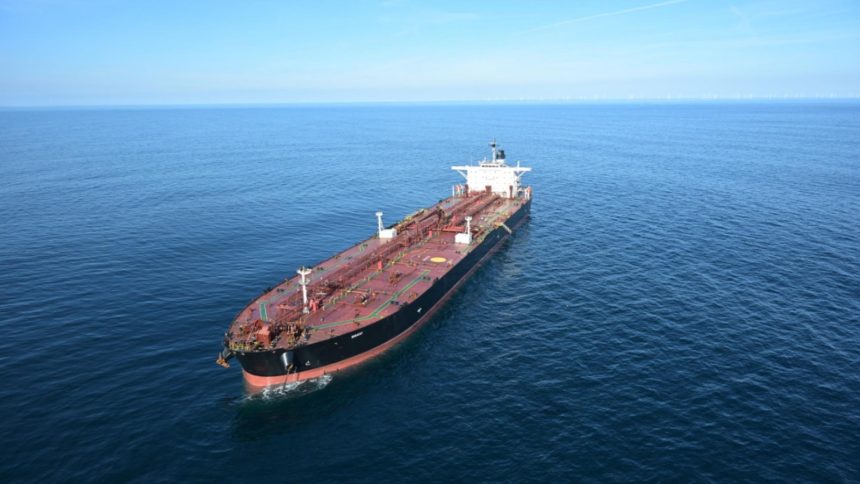
As part of the conditions linked to the de-escalation, assurances were given regarding the reopening of the Strait of Hormuz, a critical global shipping route for oil and gas. Iranian authorities said vessels would be allowed to pass safely during this period under military oversight.

The easing of tensions has had an immediate impact on global markets. Oil prices, which had surged in recent weeks due to fears of supply disruptions, have now started to fall. Reports indicate an overall decline of around 8 percent, with U.S. crude oil prices dropping sharply.
A barrel of U.S. crude, which had climbed to approximately $117, fell to around $95.59, marking a significant correction after one of the strongest rallies seen in recent years.
The conflict, which has lasted around 40 days, had raised concerns over the stability of global energy supplies, particularly due to disruptions in tanker movements through the Strait of Hormuz — a route that handles a substantial share of the world’s oil trade.
In a separate statement, Iran’s Supreme National Security Council claimed that its military had achieved its objectives during the conflict, describing the outcome as a victory.
Analysts say the coming weeks will be critical in determining whether the temporary pause leads to longer-term stability in oil markets or if prices remain volatile depending on developments in the region.