

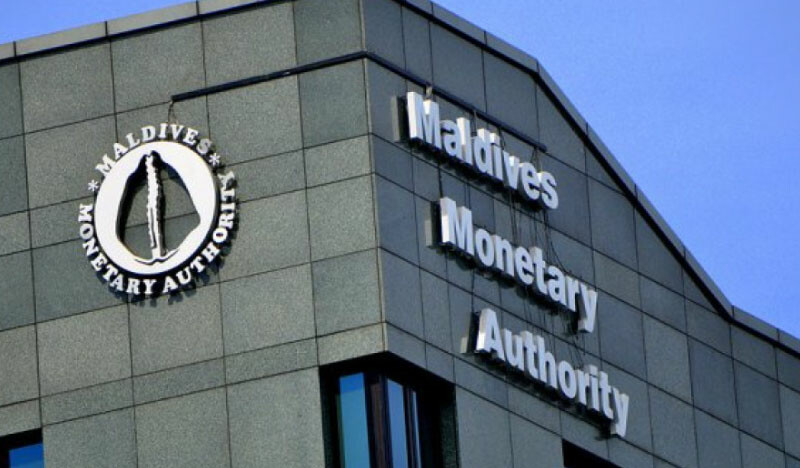
The Maldives Monetary Authority (MMA) has increased the amount of US dollars it supplies to commercial banks by 25 percent, introducing a temporary measure aimed at easing foreign currency shortages during the tourism off-season.
The enhanced allocations came into effect on Saturday and will remain in place for the next three months, with banks receiving the additional dollars through increased weekly allocations.
According to the central bank, the decision was taken to help commercial banks meet customer demand during a period when foreign currency earnings from the tourism sector typically decline while demand for overseas payments remains largely unchanged.

The MMA said the temporary intervention is intended to improve dollar liquidity within the banking system and ensure continued access to foreign currency for essential requirements.
Officials noted that the additional allocations are expected to strengthen banks’ ability to serve customers throughout the off-season, when reduced tourist arrivals generally result in lower foreign exchange inflows.
The latest move comes amid a significant rise in demand for foreign currency across several sectors.
Statistics released by the central bank show that the amount of foreign currency sold to businesses and individuals through commercial banks during the first five months of 2026 increased by 72 percent compared with the same period last year.
Healthcare and education have been among the biggest contributors to the growing demand for dollars.
According to the MMA, foreign currency sales for overseas medical treatment and education rose by 78 percent during the first five months of the year compared with the corresponding period in 2025.
Demand has also increased for imports of essential goods. The central bank reported that dollar sales for importing fuel, staple food items, medicines and medical equipment climbed by 30 percent over the same period.
The Maldives’ foreign exchange market remains closely linked to the performance of the tourism industry, which generates the majority of the country’s US dollar earnings. During the annual tourism off-season, lower visitor arrivals typically reduce foreign currency inflows, placing additional pressure on banks and businesses that rely on access to dollars.
In recent years, the MMA has introduced several measures aimed at improving foreign currency management, including regulatory reforms and closer coordination with commercial banks to prioritize the allocation of dollars for essential sectors.
The central bank said the latest increase in weekly allocations forms part of those ongoing efforts to maintain stability in the foreign exchange market while ensuring that critical public and business needs continue to be met.