

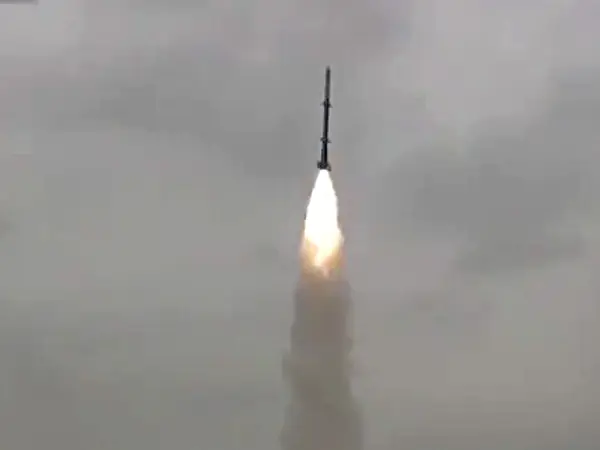
India successfully conducted the Kusha long-range surface-to-air missile’s maiden flight test on July 23 from APJ Abdul Kalam Island off Odisha. The missile intercepted an electronic target simulating a high-speed, high-altitude aerial threat, according to India’s Defence Ministry.
The Defence Research and Development Organisation (DRDO) says Kusha is being developed to counter a broad spectrum of threats, including fighter aircraft, missiles, drones and larger military aircraft. Its missiles, radars and command-and-control elements are being developed domestically by DRDO laboratories and Indian industry partners.
The programme could eventually reduce India’s dependence on imported long-range air-defence systems, particularly Russia’s S-400 Triumf. Defence Minister Rajnath Singh described the test as an important milestone and said the indigenous system could eliminate reliance on imports in this category.

India currently operates the Russian-built S-400, whose longest-range interceptor is understood to have a reach of up to 400 kilometres. Developing a comparable indigenous capability would give New Delhi greater control over production, maintenance, upgrades and future availability of critical air-defence equipment.
The Kusha test therefore represents more than another missile-development milestone. If the programme successfully progresses through further trials and enters operational service, it could become an important component of India’s increasingly layered air-defence architecture while advancing New Delhi’s broader push for defence self-reliance.