

State Trading Organization (STO) has begun distributing essential commodities to islands across the Maldives through authorised local agents, introducing a new supply arrangement aimed at making everyday necessities more accessible and affordable outside the capital.
The initiative follows President Dr Mohamed Muizzu’s decision to expand the government’s list of essential commodities from 26 to 80 items, significantly increasing the range of products covered by the state-backed supply programme.
According to the Ministry of Economic Development and Trade, STO has commenced importing the expanded list of commodities, with distribution arrangements now being established in partnership with businesses operating in inhabited islands.

Under the new system, STO will supply essential goods to designated local traders at wholesale prices, rather than selling the products directly to consumers through its own outlets on each island.
These businesses will then make the commodities available to residents at prices designated by STO, with the arrangement intended to improve affordability and ensure a more reliable supply of household necessities.
The Ministry said the approach is designed to make essential goods more readily available to communities across the atolls while supporting local businesses involved in retail and distribution.
As part of the rollout, STO has published a list of authorised agents responsible for distributing the commodities in different islands.
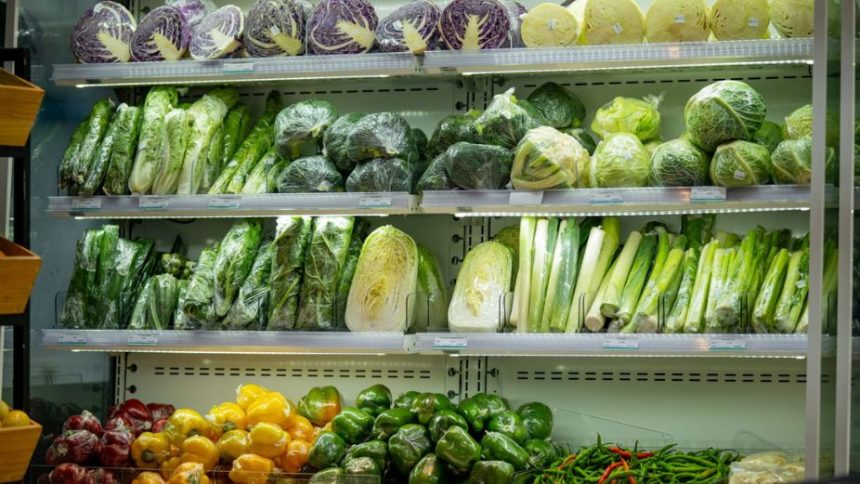
The expanded essential commodities list comprises 80 products, including 20 varieties of fruit, 20 types of vegetables, 37 food items commonly used in cooking and daily household consumption, and three non-food essentials.
The inclusion of a wider range of fresh produce and household staples represents a substantial expansion from the previous list of 26 commodities.
The government expects the broader selection to help households access commonly used products at more affordable prices, particularly in communities where the cost and availability of goods can be affected by transportation and supply challenges.
Ensuring consistent access to food and household necessities remains an important issue in the Maldives, where the geographical separation of islands creates additional logistical demands for importers, wholesalers and retailers.
The country relies heavily on imported food and consumer products, making the availability and pricing of essential goods closely linked to international supply conditions, shipping costs and domestic distribution networks.
For residents in the atolls, the movement of goods between Malé and individual islands can add further costs and affect how quickly products reach local shops.
By working with existing island businesses, the new STO distribution arrangement is intended to use established retail networks to bring essential commodities closer to consumers.
The Ministry also highlighted the potential benefits for small and medium enterprises, which will be able to participate in the distribution of state-supplied products.
Rather than requiring STO to establish and operate additional retail outlets across the country, the agency model allows local traders to take part in the supply chain while continuing to serve their communities.
The arrangement is expected to create opportunities for participating businesses to expand their operations and strengthen their role in meeting local consumer demand.
The initiative forms part of the administration’s wider efforts to strengthen food security and improve access to essential goods across the Maldives.
Food security is particularly important for an island nation dependent on imports, where disruptions to international shipping or domestic transport can affect the availability of everyday products.
The Ministry said the expanded commodity programme is intended to establish a more sustainable and uninterrupted supply of essential items while reducing the difficulties faced by households in obtaining daily necessities.
With STO now importing the expanded range of products and appointing distribution agents, the government is seeking to extend the benefits of its essential commodities policy beyond the Greater Malé region.
The effectiveness of the arrangement will depend on maintaining consistent supplies to participating islands and ensuring that the designated prices are reflected in what consumers pay at local shops.