

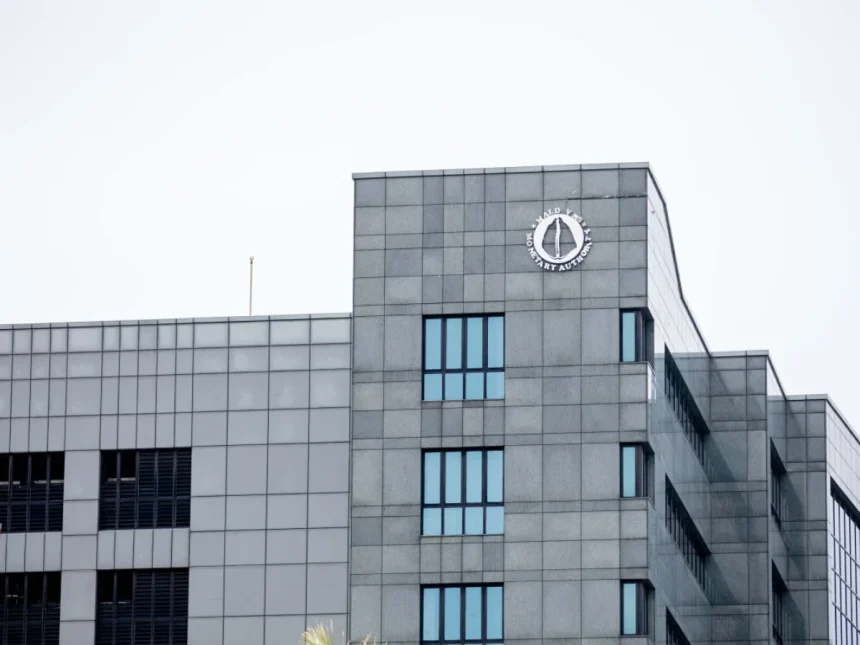
The Maldives Monetary Authority (MMA) has introduced new restrictions on foreign currency sales for Maldivians travelling abroad for medical treatment at their own expense, limiting the USD 1,000 allocation to patients seeking care in six designated countries.
The changes, which came into effect on Tuesday, October 13, mean that self-funded medical travellers will now be eligible to purchase the allocation only if they are travelling to India, Sri Lanka, Thailand, Malaysia, Singapore or the United Arab Emirates.
Previously, Maldivians travelling overseas for medical treatment could purchase USD 1,000 through Bank of Maldives (BML) or Maldives Islamic Bank (MIB) by submitting the required medical travel documents, regardless of their destination.

The revised arrangement removes that broader eligibility, restricting access to the foreign currency allocation based on the country where treatment is being sought.
In a statement announcing the decision, the central bank said the changes were intended to ensure that foreign currency allocated for medical purposes is used directly for its intended objective.
The move comes amid a substantial increase in the amount of foreign currency sold to Maldivians travelling overseas for healthcare.
According to the MMA, a total of USD 41.1 million had been sold for medical purposes by the end of September 2026, approximately three times the amount recorded during the corresponding period last year.
Of that total, USD 29.2 million was provided to individuals travelling abroad for treatment at their own expense.
This means self-funded medical travellers accounted for approximately 71 percent of all foreign currency sold for medical purposes during the period.
The MMA attributed much of the increase to the introduction of the USD 1,000 allocation for self-funded medical travellers in August 2025.
Under that arrangement, eligible individuals were allowed to purchase dollars through designated banks after presenting documentation confirming their medical travel requirements.
The facility was introduced to provide greater access to foreign currency for Maldivians who need to seek medical care overseas without relying on government-funded treatment arrangements.
Access to foreign currency remains an important consideration for patients travelling abroad, as medical expenses, accommodation and other costs often need to be settled in foreign currencies.
Overseas medical treatment is a significant part of healthcare access for Maldivians, particularly for specialised procedures and services that may not be readily available domestically.
India and Sri Lanka have traditionally been important destinations for Maldivian patients, while Thailand, Malaysia, Singapore and the UAE also offer healthcare facilities used by international medical travellers.
The central bank’s latest decision effectively concentrates the self-funded medical travel allocation on these six destinations.
However, the MMA has not provided details on whether exceptions will be considered for patients requiring specialised treatment in countries outside the approved list.
The authority also clarified that the changes will not affect the existing foreign currency arrangement for patients travelling under the national health insurance scheme, Aasandha.
Maldivians travelling overseas for medical treatment through Aasandha will continue to receive access to USD 2,000 under the existing arrangement.
The distinction means that patients travelling through Aasandha and those paying for treatment themselves will remain subject to different foreign currency allocation rules.
The latest policy adjustment comes as the MMA continues efforts to manage demand for foreign currency while maintaining access for essential needs, including medical treatment.
With medical-related dollar sales having increased significantly over the past year, the revised eligibility criteria represent a tighter approach to distributing foreign currency through the self-funded medical travel facility.
For patients planning treatment outside the six designated countries, the change means they will no longer qualify for the USD 1,000 allocation under this particular arrangement, although the announcement does not address other possible sources of foreign currency.