

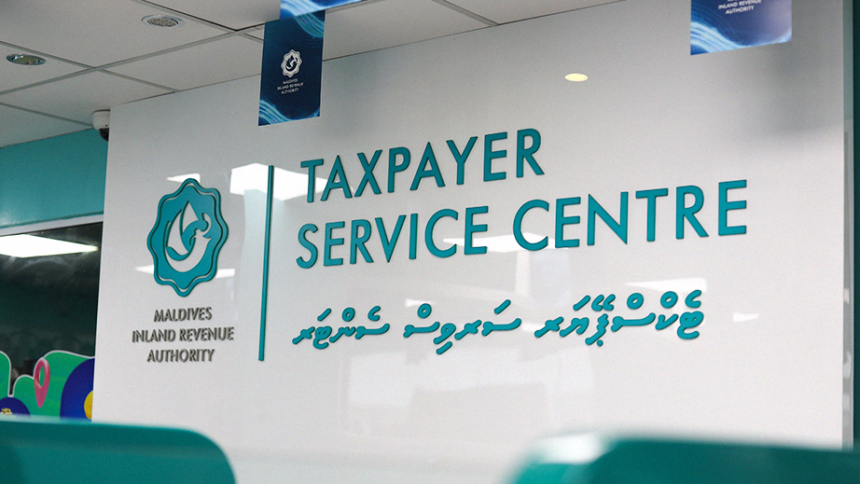
The Maldives Inland Revenue Authority (MIRA) has introduced a new regulation allowing businesses and individuals to settle outstanding tax liabilities using payments owed to them by government institutions and state-owned enterprises (SOEs).
The regulation aims to ease financial pressure on taxpayers awaiting payments from public institutions while ensuring that outstanding taxes and other government dues are settled through a structured process.
Under the new arrangement, taxpayers who have not received payments owed by government agencies or SOEs can apply to have those amounts offset against their outstanding liabilities to MIRA.

Applications can be submitted through the MIRAconnect online portal, using the MIRA 904 Adjustment/Refund Request form, or by email. Applicants must provide detailed information about the outstanding payments they are entitled to receive.
For payments owed by government institutions, MIRA will verify the amounts through the Ministry of Finance. Where payments are due from SOEs, verification will be carried out directly with the respective companies. Only enterprises included in the Ministry of Finance’s official SOE list will qualify under the regulation.
The regulation also establishes a clear order for settling outstanding liabilities. Payments will first be applied towards unpaid principal tax amounts, followed by penalties and interest. If no overdue principal amount exists, the offset may be applied towards liabilities that have not yet reached their payment deadlines.
However, MIRA clarified that the offset will only take effect once the relevant government institution or SOE transfers the funds to MIRA. The official payment date will be the date MIRA receives the money, rather than the date the taxpayer submits the application.
The new mechanism could benefit businesses supplying goods and services to government institutions and SOEs, particularly those facing cash flow difficulties because of delayed payments.
By allowing eligible government receivables to be used towards tax obligations, the regulation provides an additional mechanism for businesses to manage their liabilities without waiting to receive payments directly.
MIRA has urged taxpayers, government institutions and SOEs to familiarise themselves with the new procedures, confirming that the regulation has entered into force.