

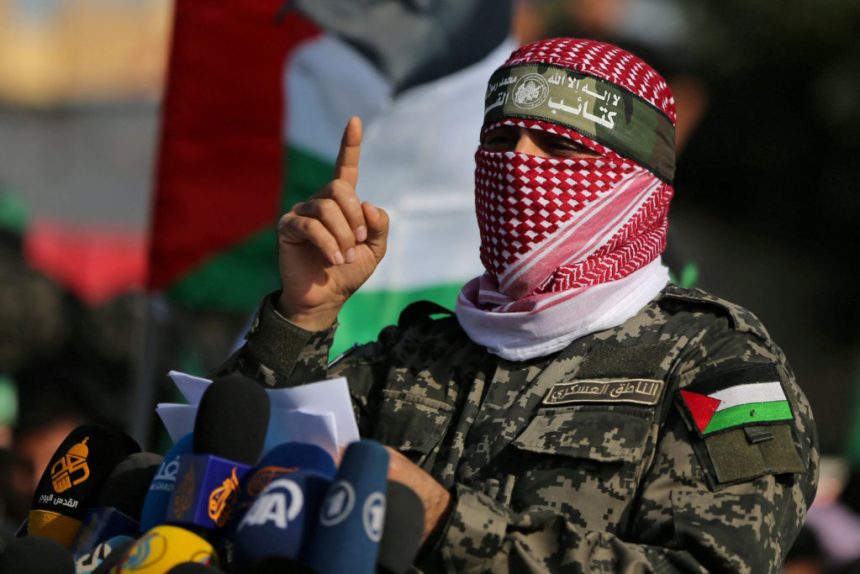
The Palestinian group Hamas has called on Iran to avoid targeting neighboring countries in its ongoing military response to regional attacks, according to reports by Al Jazeera and several Palestinian media outlets.
In a statement cited by Al Jazeera Arabic and Palestinian news sources, Hamas urged “our brothers in Iran not to target neighboring countries,” while also calling on “all countries in the region to cooperate to stop this aggression and preserve the bonds of brotherhood.”
The statement comes as tensions across the Middle East continue to intensify following a series of missile and drone strikes linked to the expanding conflict involving Iran, Israel, and Western forces.

According to reports carried by Al Jazeera and Palestinian media, Hamas emphasized that Iran has the right to respond to what it described as aggression by Israel and the United States. However, the group simultaneously appealed for restraint when it comes to attacks on countries in the wider Gulf region.
Analysts say the statement highlights growing concern within Hamas about the widening scope of the conflict, particularly as several Gulf states have been affected by recent strikes. Countries reportedly impacted include United Arab Emirates, Saudi Arabia, and Bahrain, with missiles also reportedly directed toward airspace near Qatar and Oman.
Regional observers note that Hamas maintains close ties with Iran, which has long been one of the group’s main supporters. Tehran has provided financial and military backing to Hamas for years, while the group’s political leadership has also relied on diplomatic channels in Qatar and engagement with several Arab states.
The latest statement suggests concern that attacks on Gulf countries could complicate regional diplomacy and undermine mediation efforts related to the ongoing war in Gaza.
Neither Iran nor other groups aligned with Tehran’s regional alliance, often referred to by analysts as the “Axis of Resistance,” have publicly responded to Hamas’s reported remarks.
The situation across the Middle East remains highly volatile as military operations and retaliatory strikes continue, raising fears that the conflict could further expand across the region.