

A growing influx of counterfeit “Falcon” branded food wrap has been detected in the Maldivian market, prompting serious concerns over food safety standards and consumer protection across the country’s hospitality and food service sectors.
Widely regarded as a trusted kitchen essential, Falcon food wrap is extensively used in resorts, bakeries, cafés, and households throughout the Maldives. Its strong reputation, built on quality and reliability, has now made it a target for illicit operators seeking to capitalize on the brand’s popularity.

Fake Products Entering the Supply Chain
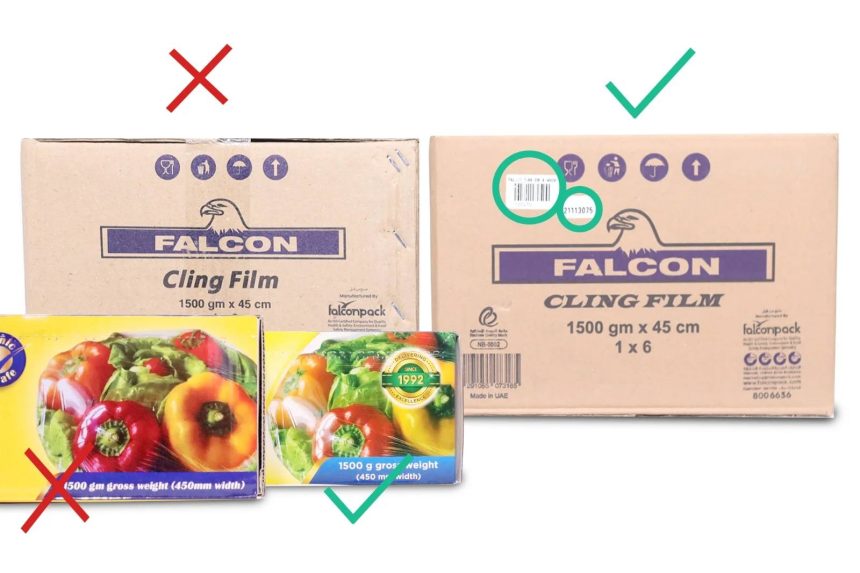
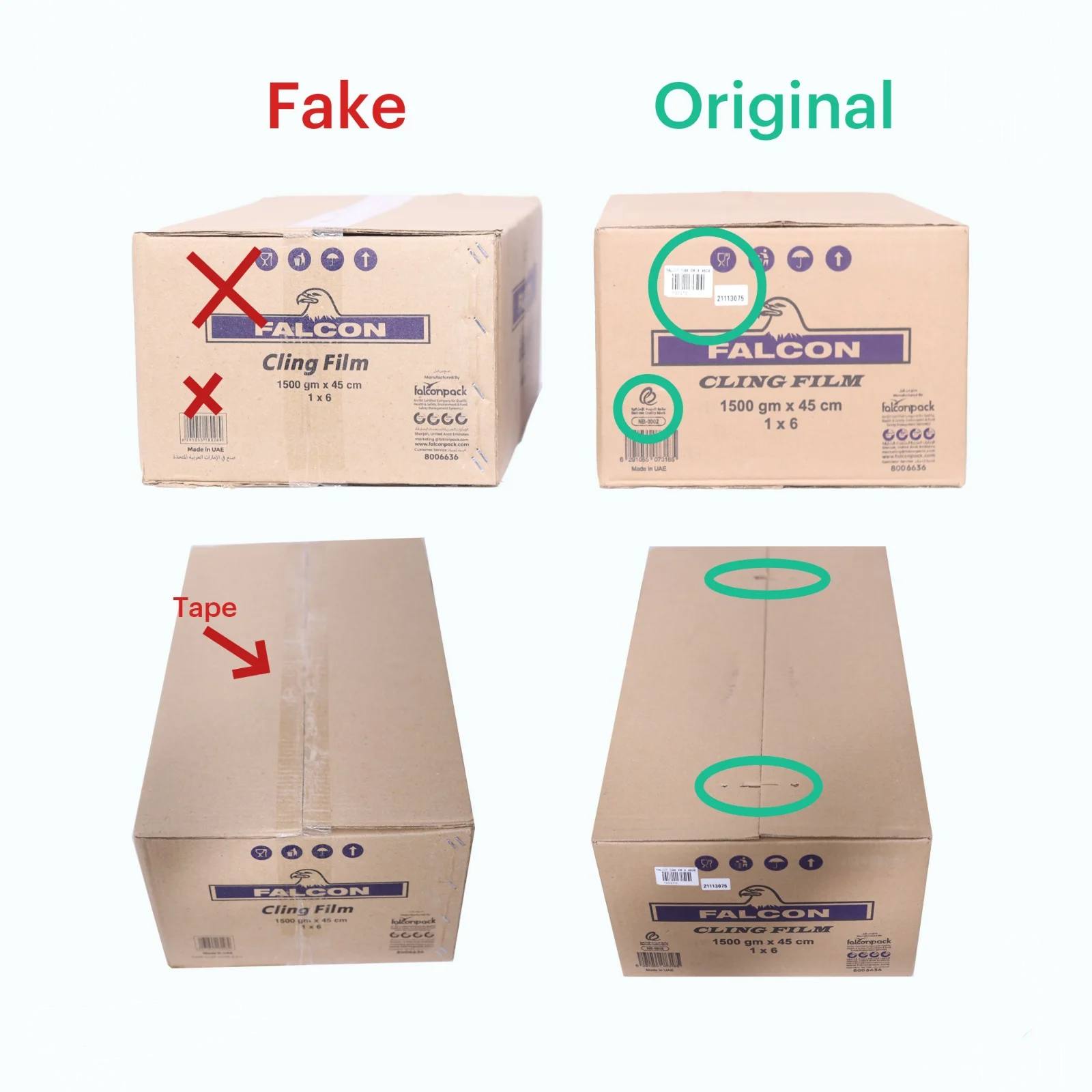
Information obtained from industry sources indicates that an unauthorized importer is distributing counterfeit Falcon food wrap in the Maldives. These imitation products closely replicate the original packaging, making it difficult for businesses and consumers to distinguish between genuine and fake items at first glance.
The counterfeit goods are reportedly being sold at lower prices, increasing the likelihood that resorts and food service providers may be purchasing them unknowingly. Beyond food wrap, the same network is believed to be introducing additional counterfeit items under the Falcon brand name.
This development is particularly alarming for a tourism-driven economy like the Maldives, where food safety standards directly impact the country’s global reputation.
Key Differences Between Genuine and Counterfeit Products
Industry experts highlight several critical indicators that can help identify authentic Falcon food wrap:
1. Outer Carton Quality
Original Falcon packaging features sharp, vibrant colors and clearly printed logos. It includes complete barcode details and manufacturing information. Genuine cartons are sealed using industrial-grade staples, while counterfeit boxes are often sealed with standard packing tape and may lack proper labeling.
2. Packaging Details
Authentic Falcon boxes include a production date label on the side. The color tone is a distinct, rich yellow, whereas counterfeit versions often appear more orange. Additionally, original products are labeled “High Quality,” while fake versions may carry labels such as “Economy Pack.”
3. Plastic Wrap Quality
The genuine product is crystal clear and fully transparent. Counterfeit wraps tend to appear cloudy or slightly tinted. A defining feature of the original is the presence of black holders on both ends of the roll, which are typically missing in fake versions.
Public Health Risks and Industry Impact
Experts warn that counterfeit food-grade products pose significant health risks. Unlike certified products, fake plastic wraps may be manufactured using substandard or non-food-grade materials, increasing the risk of chemical leaching into food.
Such exposure can lead to serious long-term health consequences, including heightened risks of chronic illnesses. For the Maldives, where international tourism is a cornerstone of the economy, any compromise in food safety standards could have far-reaching implications.
Urgent Need for Regulatory Action
The emergence of counterfeit food packaging products underscores the need for immediate intervention by regulatory authorities. Strengthening import controls, increasing market surveillance, and raising public awareness are essential steps to curb the spread of such illicit goods.
Businesses, particularly in the hospitality sector, are urged to verify their supply chains and prioritize quality over cost. Consumers are also advised to remain vigilant when purchasing food-related products.
As counterfeit goods continue to infiltrate markets globally, the situation in the Maldives serves as a reminder that safeguarding food safety is not only a public health priority but also a critical pillar of economic stability.