

State Trading Organization (STO) will continue supplying fuel to public transport operators and ferry services at previously established rates despite recent volatility in global oil markets, an official from the company confirmed.
The decision comes after STO earlier raised fuel prices for private businesses following a sharp increase in global oil prices triggered by escalating tensions in the Middle East. The spike in international fuel costs has affected markets worldwide, prompting adjustments in supply prices.
However, STO has now made arrangements to ensure that fuel provided to public transportation providers and ferry operators will remain available at earlier rates in order to avoid placing additional financial pressure on essential transport services used by the public.

An STO official told us that the measures are part of efforts to maintain stability in the transport sector and ensure continued availability of petrol and diesel without increasing costs for everyday commuters.
The company also confirmed that subsidised fuel provided to fishermen under the government’s “Fahi Hakatha” programme will continue unchanged.
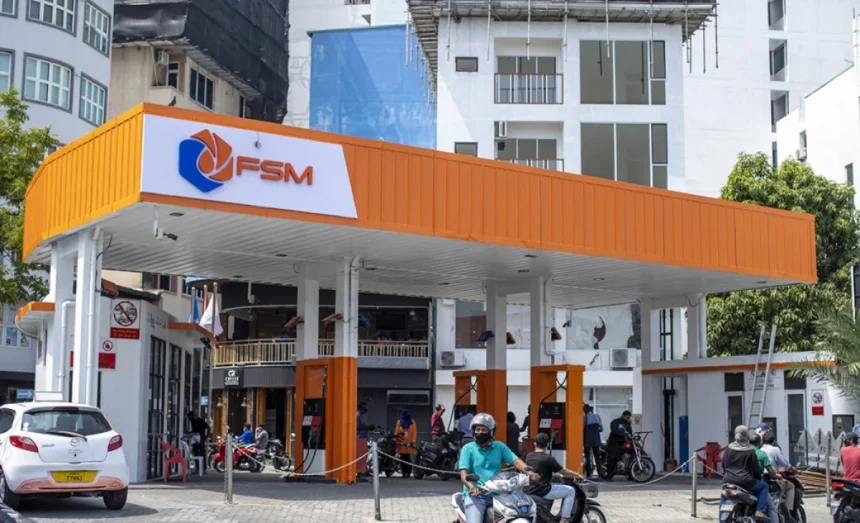
In addition, the official noted that there have been **no changes to the fuel prices at Fuel Supplies Maldives (FSM) sheds in the Greater Malé area. Fuel suppliers operating in the atolls who purchase fuel from STO will also continue receiving it at the previous rates.
Authorities say the move aims to ensure that essential services continue to operate smoothly while shielding the wider public from further price pressures.
Despite significant fluctuations in global fuel markets due to the Middle East conflict, STO has not introduced additional changes to retail fuel prices for the general public since the increase implemented earlier this month. Currently, petrol in the Malé region is sold at MVR 16.01 per litre, while diesel is priced at MVR 17.54 per litre.
Meanwhile, Finance Minister Moosa Zameer has previously stated that the government intends to use anticipated profits from STO as a buffer to help maintain fuel price stability in the Maldives amid rising global costs.
Zameer explained that fuel pricing is determined based on a three-to-four-day average cost when fuel is loaded onto barges, noting that adjustments are made through a calculated process rather than sudden changes. He also emphasized that, unlike many other countries, the Maldives does not revise fuel prices frequently.