

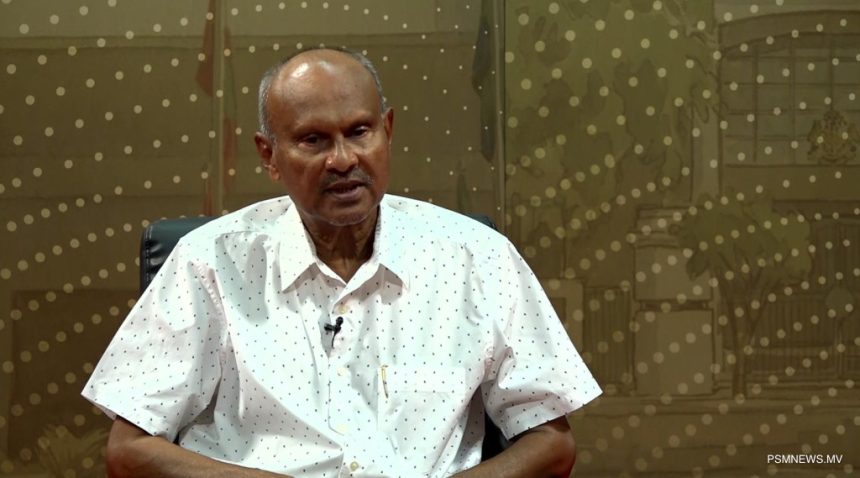
Former Speaker of the People’s Majlis, Mohamed Shihab, has thrown his heavyweight support behind the proposed constitutional move to hold presidential and parliamentary elections on the same day, asserting that the change is essential to protecting the sovereign will of the people and ending the cycle of “constant political turmoil.”
Speaking on PSM’s “Heylun” program, Shihab—a veteran statesman with 25 years of legislative experience—argued that the current system of staggered elections frequently exhausts the public and drains the national treasury. He emphasized that consolidating major polls is the most effective way to ensure the government can focus on its five-year mandate rather than being stuck in a perpetual campaign mode.
Ending the “Super-Majority” Trap
One of the most compelling arguments raised by Shihab is how simultaneous elections could foster a more balanced and merit-based democracy. Under the existing framework, parliamentary elections typically follow the presidential race, often resulting in a “super-majority” for the winning president’s party as voters follow the momentum of the initial victory.

“If both elections are held simultaneously, we might not see such a drastic shift,” Shihab explained. “It would produce a better result; it would be more free and fair, as parliamentary candidates would be competing without knowing who the president will be.” He noted that this environment allows citizens to choose the most qualified individuals for the Majlis based on individual merit rather than partisan waves.
Massive Savings for the Public Purse
Beyond political balance, the economic benefits of the proposal are substantial. The current five-year cycle forces the state and the Elections Commission to mobilize for two or three separate national events, incurring massive logistical expenses.
- Cost Reduction: Consolidating the polls would save hundreds of millions in public funds currently spent on separate logistics, security, and staffing.
- Party Efficiency: Political parties would also see a significant reduction in campaign costs, allowing for a more equitable playing field.
- Voter Turnout: Shihab pointed to historical data showing a decline in voter interest during parliamentary and local council elections compared to the high turnout of presidential races. “If we can combine the elections, I believe voter turnout will improve significantly,” he stated.
A Clear Vision for 2028
The proposed amendments passed by the People’s Majlis stipulate that the term for the next parliament will commence on December 1, 2028, aligning it with the presidential cycle. This shift requires a public referendum—set to take place on April 4, 2026—where Maldivian citizens will have the final say on the constitutional change.
Shihab, who has served in the parliament since 1985, concluded that those acting in the national interest should prioritize stability over frequent, costly disruptions. By holding all major elections on a single day, the Maldives can transition from a state of political exhaustion to a period of focused governance and national development.