

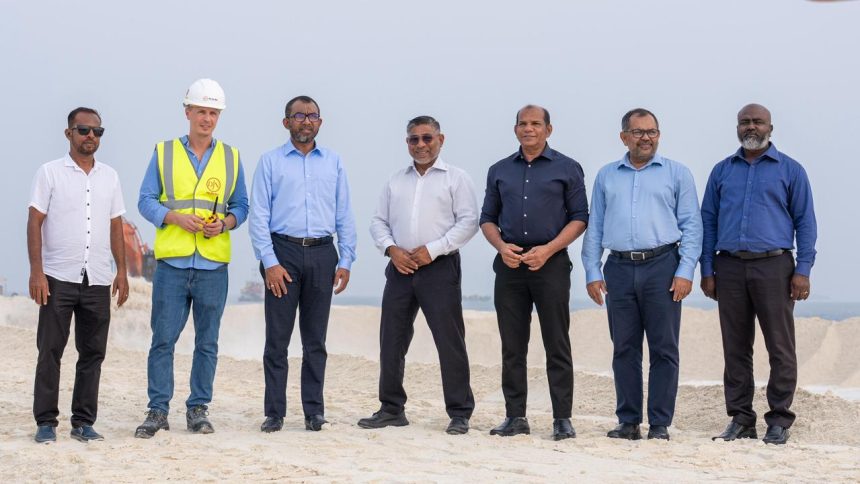
Land reclamation works officially commenced in HA. Dhidhdhoo on Monday, marking a major step in delivering President Dr. Mohamed Muizzu’s pledge to expand critical infrastructure and unlock long-term growth in the Maldives’ northernmost atolls.
The project, led by Maldives Airports Company Limited, is designed to support the construction of a domestic airport alongside housing developments and essential public services, positioning Dhidhdhoo as a future economic and connectivity hub for the North.

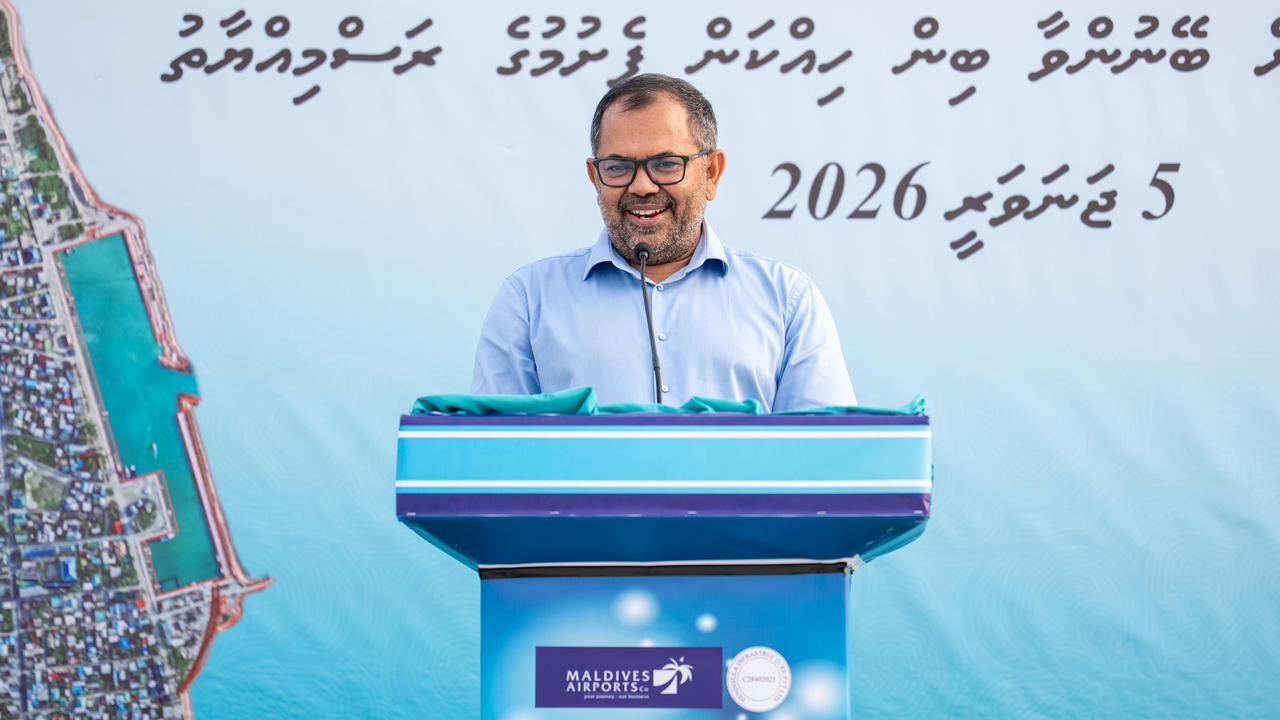
Physical works were inaugurated during a ceremonial launch held in Dhidhdhoo on 5 January 2026, officiated by Finance and Planning Minister Moosa Zameer. The event underscored the government’s emphasis on translating national development commitments into visible progress on the ground.
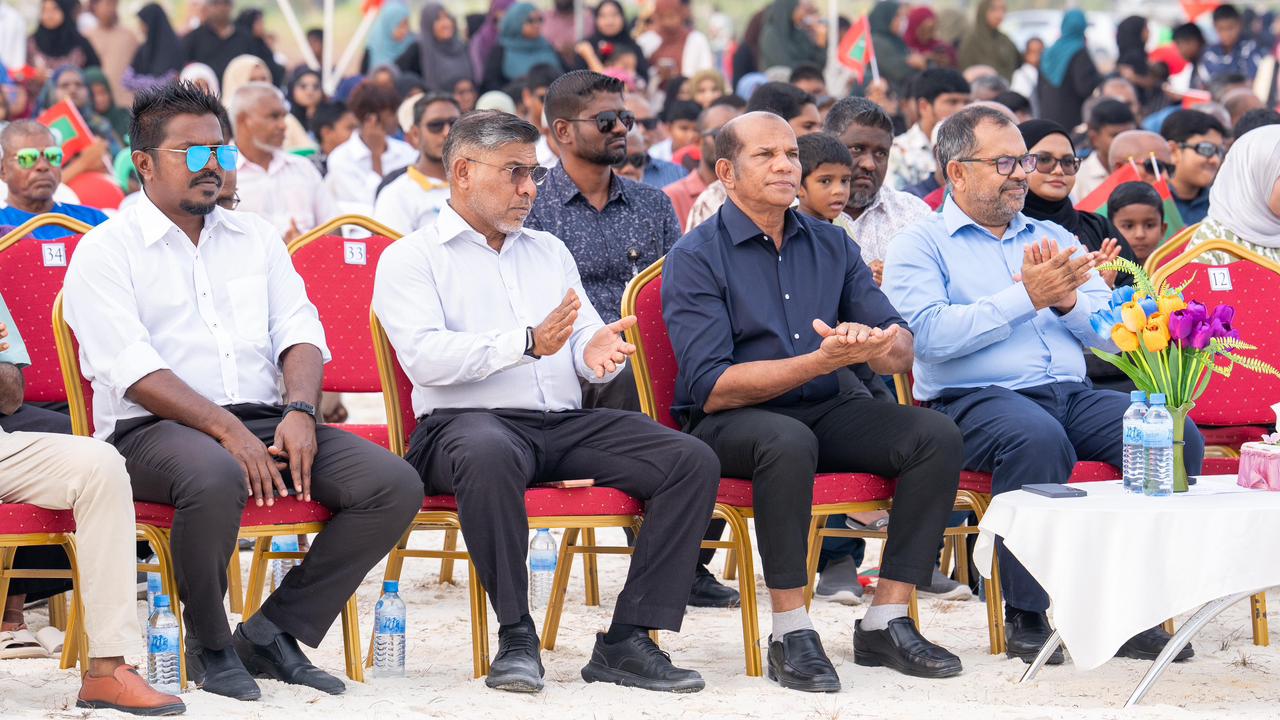
Senior officials present included MACL Chief Executive Officer and Managing Director Ibrahim Shareef Mohamed, Deputy Managing Director Mujthaba Latheef, Dhidhdhoo constituency Member of Parliament Abdul Latheef Mohamed, Dhidhdhoo Council President Abdulla Rasheed, and members of the local community, reflecting broad institutional and public support for the project.
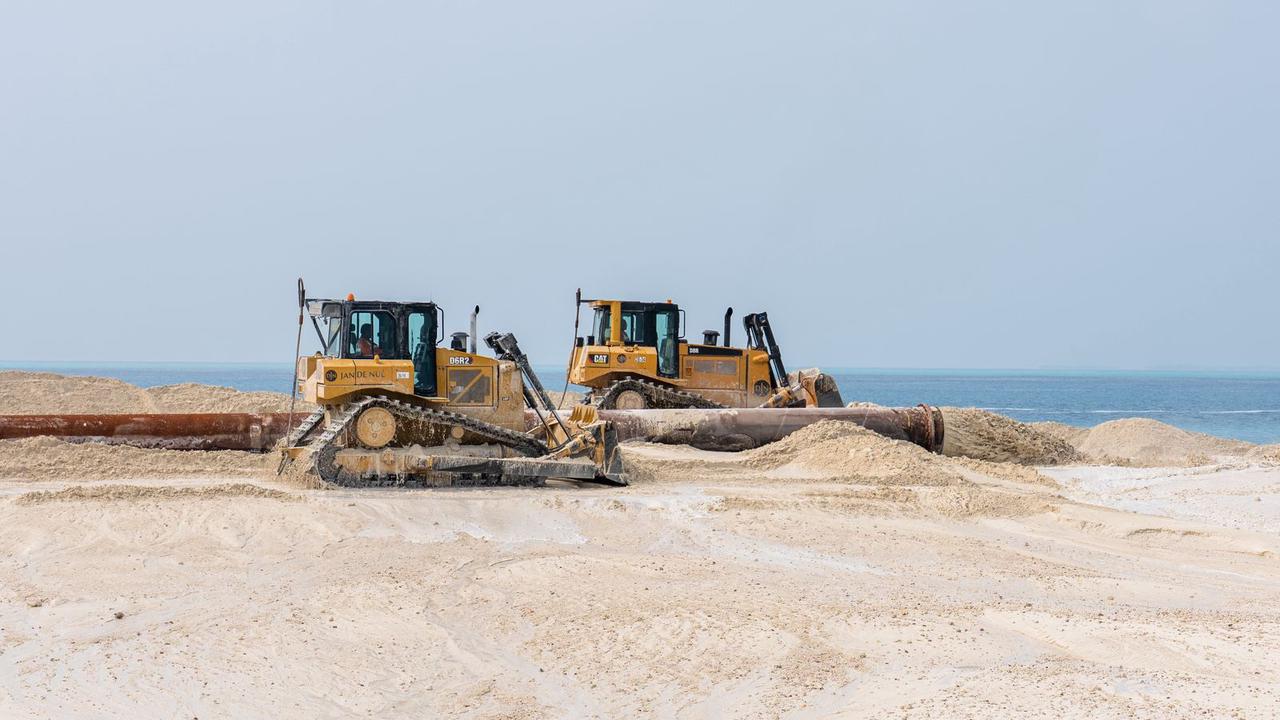
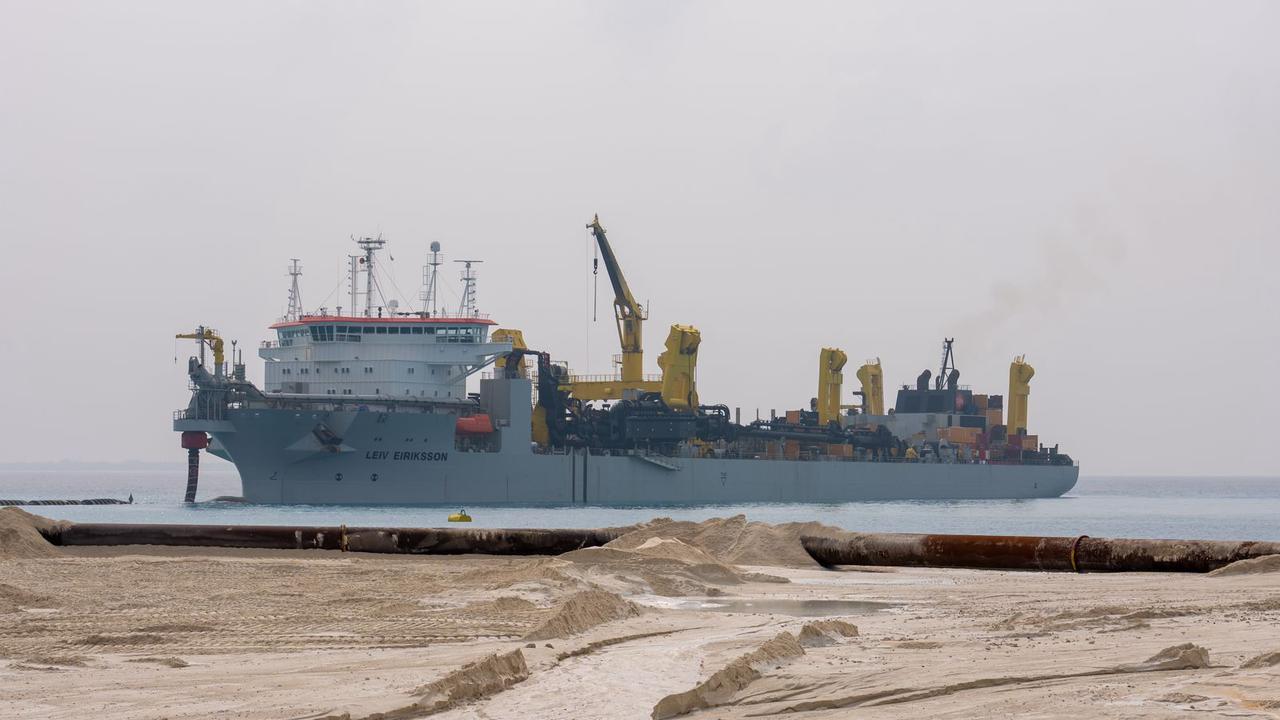
To execute the reclamation, MACL has deployed the ultra-modern trailing suction hopper dredger Leiv Eiriksson, one of the most powerful dredgers currently in operation worldwide. With a capacity of 46,000 cubic metres, the vessel enables large-scale, efficient land creation aligned with international engineering standards.
Under the project scope, MACL is scheduled to reclaim a total of 111 hectares of land in Dhidhdhoo, significantly expanding the island’s development footprint. The initiative directly supports President Dr. Mohamed Muizzu’s broader strategy to decentralise economic opportunity, strengthen inter-island connectivity, and ensure balanced national development across the Maldives.
The Dhidhdhoo reclamation project adds momentum to the administration’s infrastructure drive, reinforcing a clear policy direction where strategic investment is used as a catalyst for regional growth, improved living standards, and long-term economic resilience.