

The government has decided to amend existing regulations governing tourist conduct and dress codes on inhabited islands, following a rise in complaints from communities hosting local tourism about behaviour seen as inconsistent with Maldivian customs and traditions.
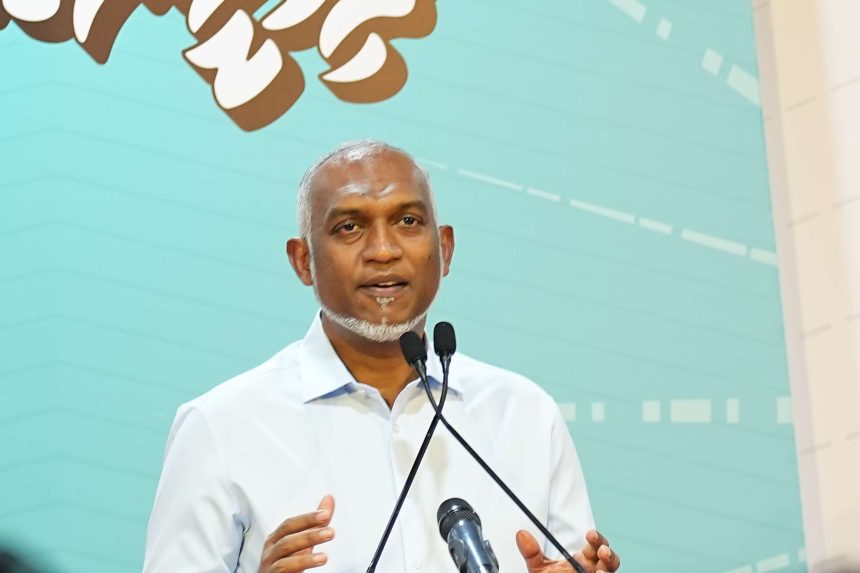
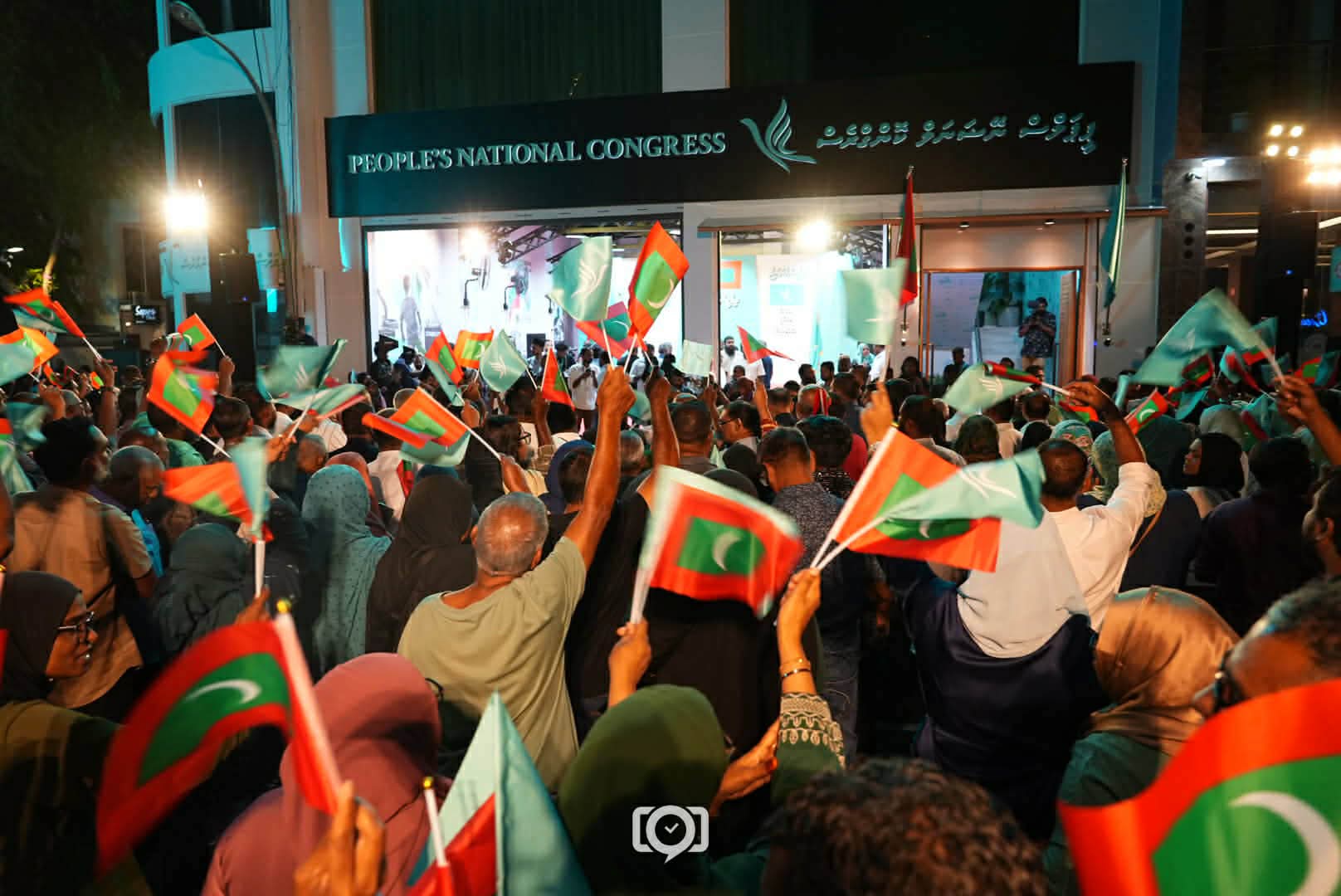
President Dr Mohamed Muizzu announced the move while speaking at a ceremony held to inaugurate a new party hub of the People’s National Congress, reiterating the administration’s strong support for local tourism as a driver of economic growth.

The President noted that the government has taken several steps to facilitate and strengthen local tourism, including the installation of US Dollar ATMs on islands. However, he said residents from multiple islands operating guesthouses and local tourism facilities have raised serious religious, moral, and social concerns during his recent visits.
According to the President, a significant number of complaints relate to tourists wearing uncovered or revealing clothing in residential areas, attire that residents say does not align with Maldivian customs, traditions, and social norms. He stressed that while tourism is encouraged, it must operate in a manner that respects local values and community life.
To address these concerns, President Muizzu said amendments to the relevant regulations are currently being finalised and will be gazetted in the near future. The revised rules will clearly outline acceptable standards of dress and conduct for tourists staying on inhabited islands.
“The relevant regulations, including the standards to be maintained by tourists within the islands, are being amended, and these updates will be gazetted very soon,” the President said.
He emphasised that island councils will play a crucial role in enforcing the new regulations, working in coordination with the Maldives Police Service and the Ministry of Tourism. According to the President, councils are best positioned to provide day-to-day oversight and ensure that community concerns are addressed effectively. He cautioned that if current practices are allowed to continue unchecked, the underlying issues will remain unresolved.
The President also revealed a Cabinet decision to establish dedicated tourism management offices on every island where local tourism is active. These offices will be managed by the respective island councils, a move he described as a practical demonstration of the government’s commitment to decentralisation and local empowerment.
Concluding his remarks, President Muizzu called for collective responsibility from councils, businesses, and the public, stressing that safeguarding the country’s values while promoting economic growth requires cooperation at all levels. He said the government remains committed to steering the nation on the right path, but lasting progress depends on unity and shared responsibility within local communities.