

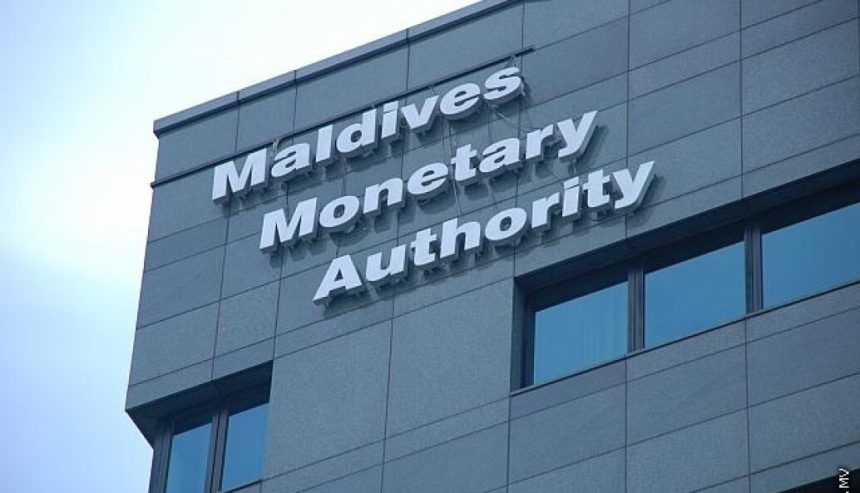
The Maldives Monetary Authority (MMA) has increased its weekly US dollar allocation to commercial banks by 51 percent, in a move aimed at improving access to foreign currency through the banking system and supporting businesses with import payments.
The increased allocation will take effect this week and remain in place for the next three weeks, according to the central bank.
MMA said the temporary increase is intended to make more foreign currency available through formal banking channels and ease difficulties faced by businesses in securing dollars to pay for imported goods.

The latest measure represents another increase in dollar allocations by the central bank this year as it responds to changes in foreign currency inflows and demand in the domestic market.
According to MMA, dollar inflows into the Maldives began declining in February, with the slowdown linked to weaker tourism activity amid ongoing conflicts in the Middle East.
Tourism is the Maldives’ largest source of foreign currency, making changes in visitor arrivals and tourism receipts an important factor in the availability of dollars within the domestic financial system.
The central bank has introduced several measures over recent months to increase foreign currency availability during periods of higher demand.
Ahead of Ramadan this year, MMA increased the amount of dollars supplied to banks by 32 percent, with additional foreign currency made available to support businesses importing essential food products.
The measure was also intended to help ensure sufficient supplies of essential commodities and support price stability during a period when demand for a range of imported products traditionally increases.
MMA followed this with another increase in June, raising its weekly dollar allocation to banks by 26 percent as businesses entered the tourism off-season.
The latest 51 percent increase is substantially larger than both of those adjustments and will remain effective for a three-week period.
As an import-dependent economy, the Maldives requires a significant supply of foreign currency to pay for food, fuel, construction materials, medicines and other goods sourced from overseas.
The tourism industry, meanwhile, generates a large share of the foreign currency entering the country, making the availability of dollars sensitive to changes in tourism activity and wider international developments.
MMA has been working to channel more foreign currency requirements through the formal financial system while introducing measures intended to ease pressure on the domestic foreign exchange market.
The central bank said the latest increase in allocations is expected to provide businesses with greater access to dollars through banks, particularly for payments associated with the import of goods.