

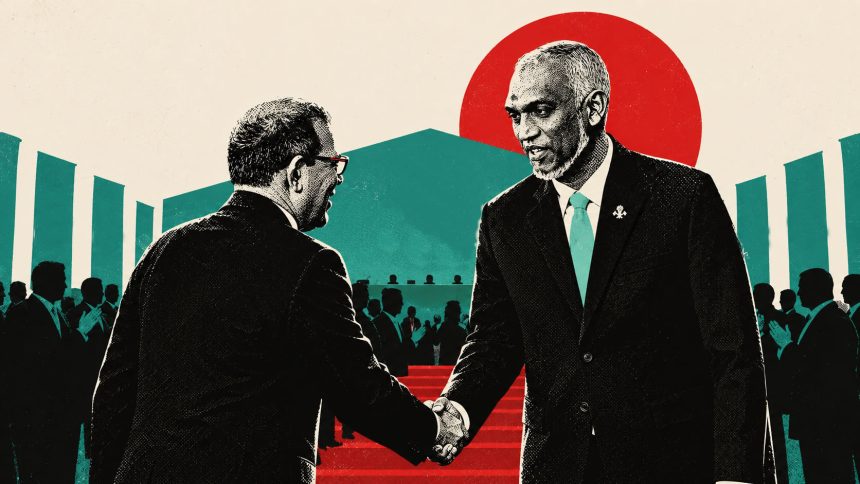
There is an increasingly obvious contradiction between some of the rhetoric coming from the opposition and what Maldivians are actually seeing unfold around President Dr Mohamed Muizzu.
At opposition gatherings, some political figures have painted an extraordinarily bleak picture of the country. The language has at times gone beyond ordinary criticism of government policy, with calls for the administration to be removed and suggestions that allowing Muizzu to remain in office would cause further harm to the country.
If the situation is really as desperate as that rhetoric suggests, however, an interesting question emerged from the opening night of the People’s National Congress Congress: why did former President Mohamed Nasheed accept an invitation to attend?

Nasheed is no ordinary political guest. He is a former President, one of the most influential figures in modern Maldivian politics and a longstanding political rival of the movement that now governs the country. Yet when the PNC opened its biggest Congress to date, Nasheed accepted the invitation, arrived at the venue and exchanged a cordial handshake with Muizzu before joining the gathering.
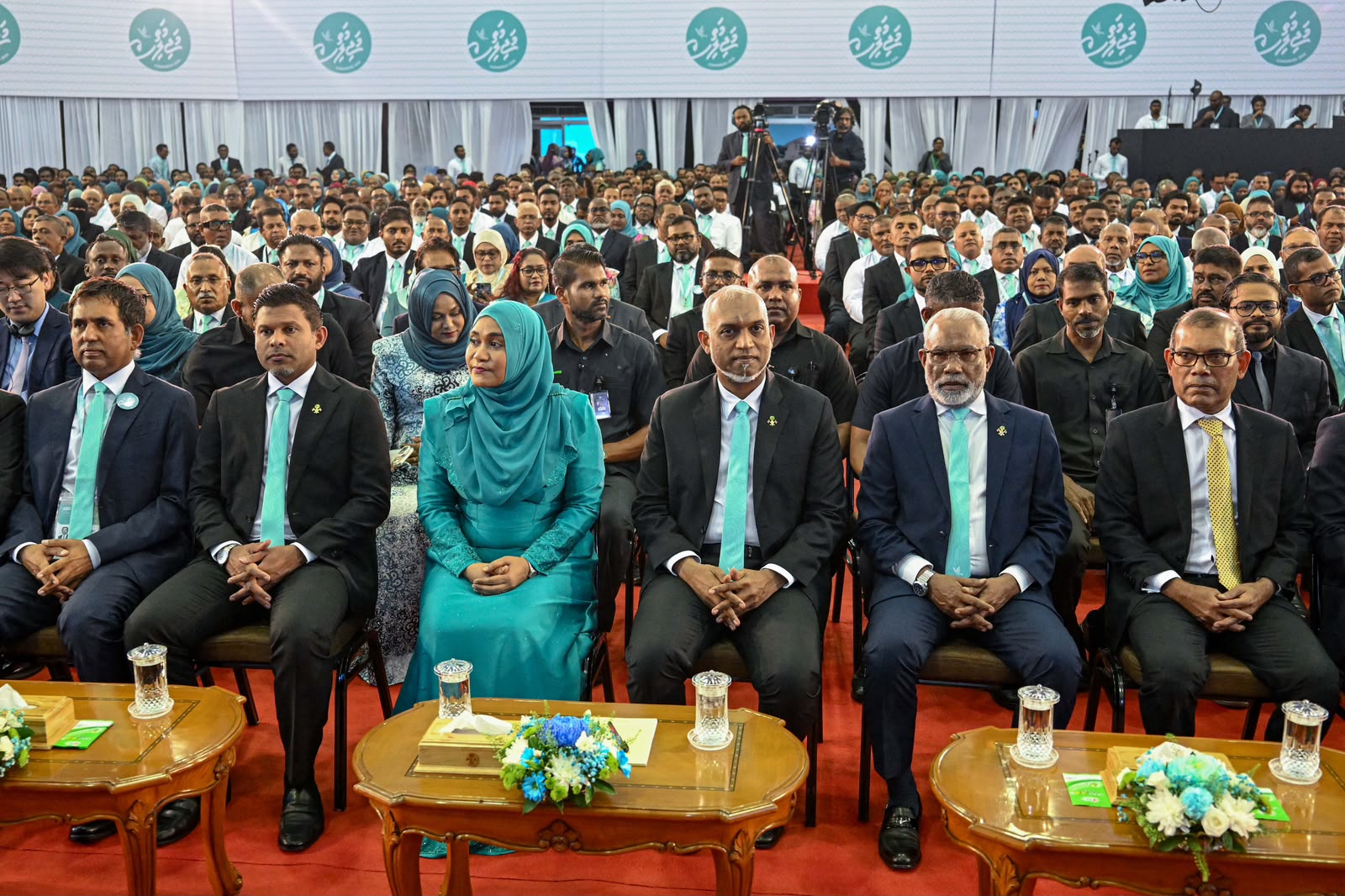
Political parties traditionally extend invitations to other political figures for ceremonial occasions, and accepting such an invitation certainly does not turn an opposition politician into a government supporter. But attendance remains a choice, and in politics, choices often carry their own symbolism.
Had Nasheed believed that merely attending the Congress would legitimise a government that had become completely unacceptable, nothing prevented him from declining the invitation. Indeed, a boycott would have offered a powerful political statement. He could have stayed away and allowed his absence to speak for itself.
Instead, he chose to attend.
What it shows is that the reality of Maldivian politics appears considerably less apocalyptic than some of the rhetoric being directed at the government.
There is room in a functioning democracy for exactly this kind of relationship. Political rivals can disagree fiercely, campaign against each other and still recognise one another as legitimate participants in the country’s political system. Muizzu welcoming Nasheed and Nasheed accepting that welcome should therefore be viewed as a positive moment for Maldivian politics.
At the same time, however, the image inevitably raises questions for those who have spent months portraying the Muizzu administration as something that must be brought to an immediate end.
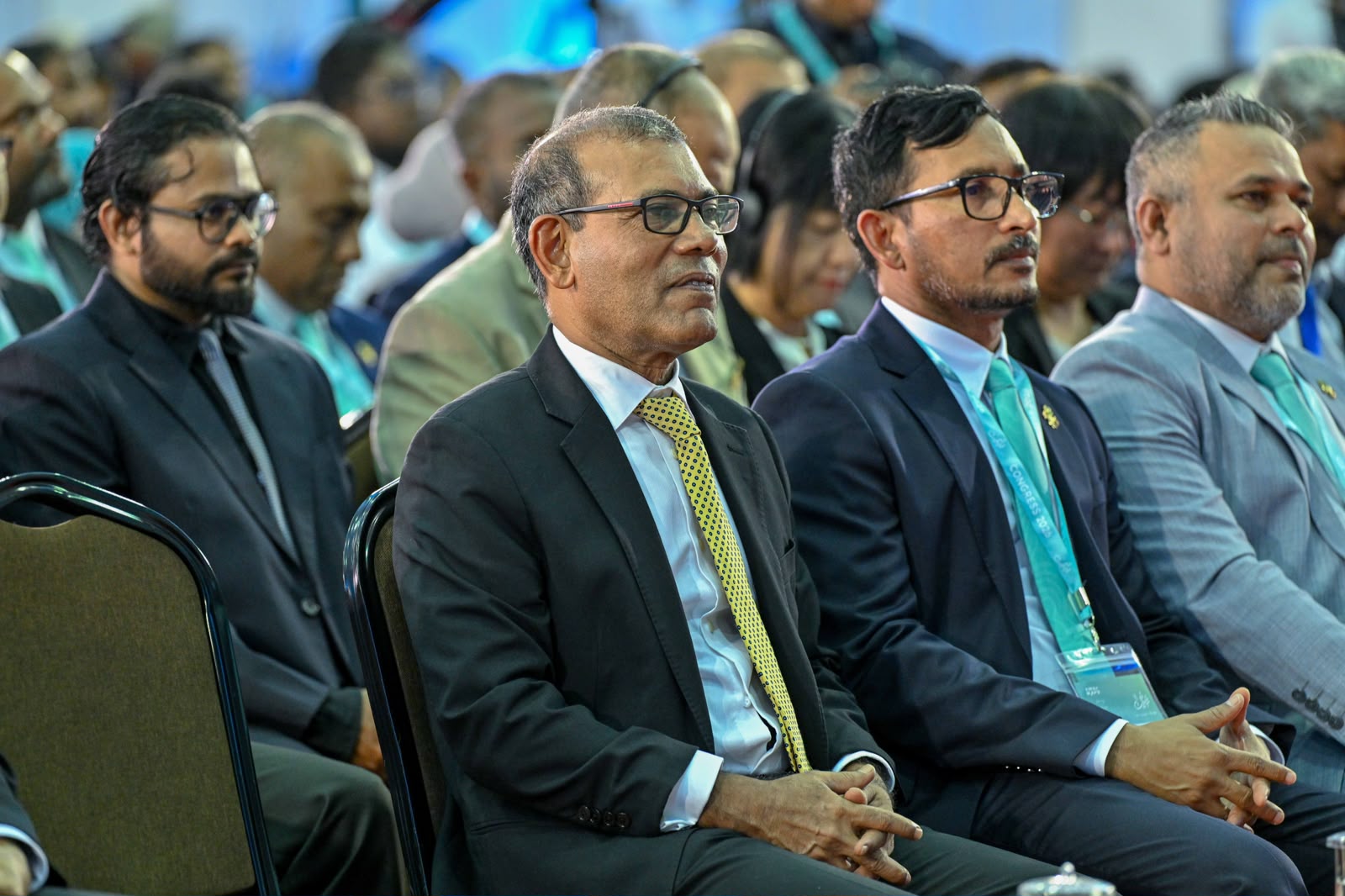
If circumstances had truly reached such an extraordinary point, would one of the country’s most prominent opposition figures comfortably attend the ruling party’s largest political gathering? Would there not be greater political value in refusing the invitation altogether and making clear that normal political engagement with the government could no longer continue?
These are fair questions, particularly when considered alongside what has been happening beyond the country’s domestic political arena.
Just as Nasheed was willing to walk into the PNC Congress at home, Malaysian Prime Minister Anwar Ibrahim arrived in Malé with a message that stood in sharp contrast to claims that Muizzu has left the Maldives isolated or weakened internationally.
Anwar’s visit was significant not simply because a foreign head of government came to the Maldives, but because of what he publicly said about Muizzu and what Malaysia was prepared to discuss with his administration.
The Malaysian leader spoke openly about the trust that had developed between the two leaders and expressed confidence in Muizzu’s leadership, commitment and desire to transform the Maldives. He described the President as polite and soft-spoken but strong in delivering his message, while also praising Muizzu’s position on Palestine and his willingness to speak firmly on international issues.
These are particularly notable remarks because they did not come from a PNC official, a government minister or somebody campaigning for Muizzu. They came from the Prime Minister of Malaysia, one of the Maldives’ longstanding regional partners.
More importantly, the visit was not built around compliments alone.
Malaysia agreed in principle to support a USD 100 million financing facility requested by the Maldives, with Bank Negara Malaysia and the Maldives Monetary Authority expected to work on the mechanism required to take the proposal forward.
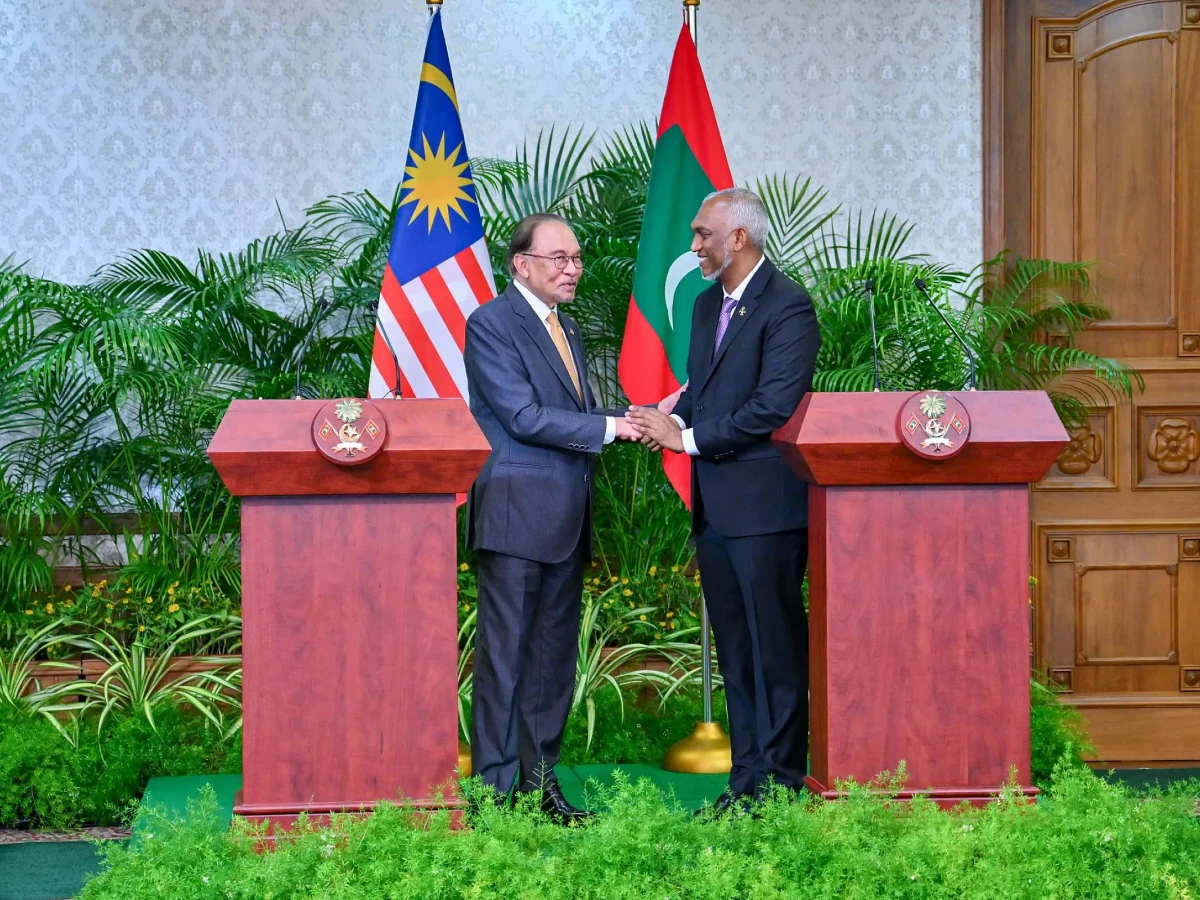
Anwar himself disclosed that he had spoken to Malaysia’s central bank governor about the matter and asked for the process to be facilitated. He referred to the close relationship between the countries as well as the Maldives’ repayment record and the government guarantee involved in the proposed arrangement.
That is where the substance of the visit becomes more important than the ceremonial photographs.
Any visiting leader can speak warmly about a host country. Moving towards a USD 100 million financial arrangement requires a different level of engagement, involving central banks, financial assessments and confidence that obligations will be honoured.
The two governments also moved towards broader economic cooperation, including Malaysia agreeing in principle to begin discussions on a Preferential Trade Agreement with the Maldives.
Discussions during Anwar’s visit covered trade, investment, healthcare, tourism, defence, Islamic affairs and other areas, while agreements on defence cooperation and Islamic affairs were exchanged between the two countries.
Possible cooperation involving Malaysian energy giant Petronas was also raised, with Anwar agreeing to take the matter forward for discussion.
None of these developments means every economic problem facing the Maldives has suddenly disappeared. A financing facility agreed in principle still needs to be finalised, proposed trade arrangements need negotiations, and discussions on investment only become meaningful when they eventually produce tangible results.
But dismissing these developments altogether would be equally dishonest.
Muizzu inherited a country facing substantial external debt obligations, pressure on foreign currency availability and an economy still heavily dependent on tourism. His government has simultaneously attempted to continue major infrastructure development while managing those pressures and seeking new sources of investment and financing.
Against that backdrop, maintaining the confidence of international partners is not optional. It is essential.
The Malaysian visit demonstrated that Muizzu can sit across from a major regional leader, speak openly about what the Maldives needs and leave the room with new avenues of cooperation on the table. The USD 100 million facility, if finalised, would be a particularly important outcome of that engagement.
Anwar’s remarks also matter because foreign leaders view Maldivian politics from a very different perspective from politicians fighting for votes at home. Malaysia has its own national interests, and its government will ultimately engage with the Maldives on the basis of whether that relationship benefits both countries.
When Anwar speaks publicly about trusting Muizzu’s leadership and then instructs his officials to work towards deeper financial and economic cooperation, it becomes difficult to reconcile that picture with claims that the Maldives under Muizzu has somehow become a country without international confidence.
There is a similar disconnect visible domestically.
The PNC Congress itself has brought more than 1,300 delegates from across the Maldives to Malé, with intense competition for positions throughout the party.
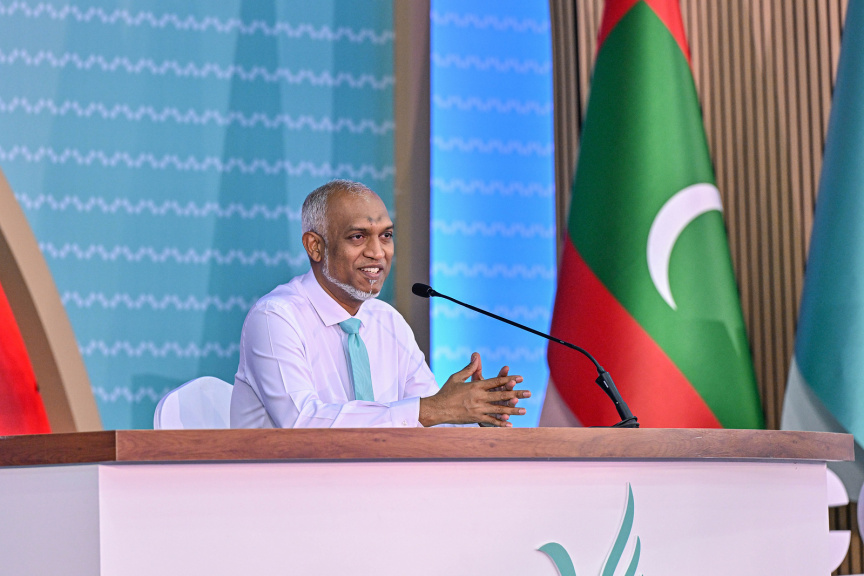
Eight candidates contested six elected vice president positions. Twenty-two candidates fought for 10 Council seats reserved for women, while 12 contested seven youth seats. More than 70 candidates entered the race for just 18 general Council positions.
For a ruling party supposedly facing political collapse, there appears to be no shortage of people wanting to play a role in its future.
PNC has also expanded its membership considerably under Muizzu while maintaining a commanding majority in the People’s Majlis. The President now faces the challenge that comes with that growth: keeping a large governing party united while continuing to deliver the programme on which he was elected.
Muizzu himself acknowledged that challenge at the Congress, urging candidates not to allow internal elections to create divisions and reminding members that winning or losing a party position should not determine their commitment to the organisation.
That message is important because the next stage of Muizzu’s presidency will ultimately be judged less by political rallies and more by delivery.
There are infrastructure projects that must be completed, economic reforms that need time to demonstrate results, state companies that need to become more efficient, foreign currency pressures that require lasting solutions and major development promises that Maldivians expect to see fulfilled.
The government should be judged on those outcomes.
But the opposition should also be judged on whether its rhetoric matches reality.
There is nothing unusual about opposition parties criticising Muizzu. That is their job, and Maldivian democracy is healthier when governments are questioned and held accountable.
There is, however, a difference between holding a government accountable and constantly presenting the country as though it is on the verge of disaster.
That is why Nasheed’s presence at the PNC Congress was politically interesting.
He did not have to endorse Muizzu to attend, and his attendance should not be falsely presented as an endorsement. Yet his decision demonstrated that even across serious political differences, normal political engagement with Muizzu and his government remains possible.
It also leaves the most extreme critics of the administration with a question they cannot simply dismiss.
If Muizzu’s government has become so unacceptable that it must immediately be removed, why would a former President and major opposition figure choose to participate as an invited guest at the ruling party’s most important gathering?
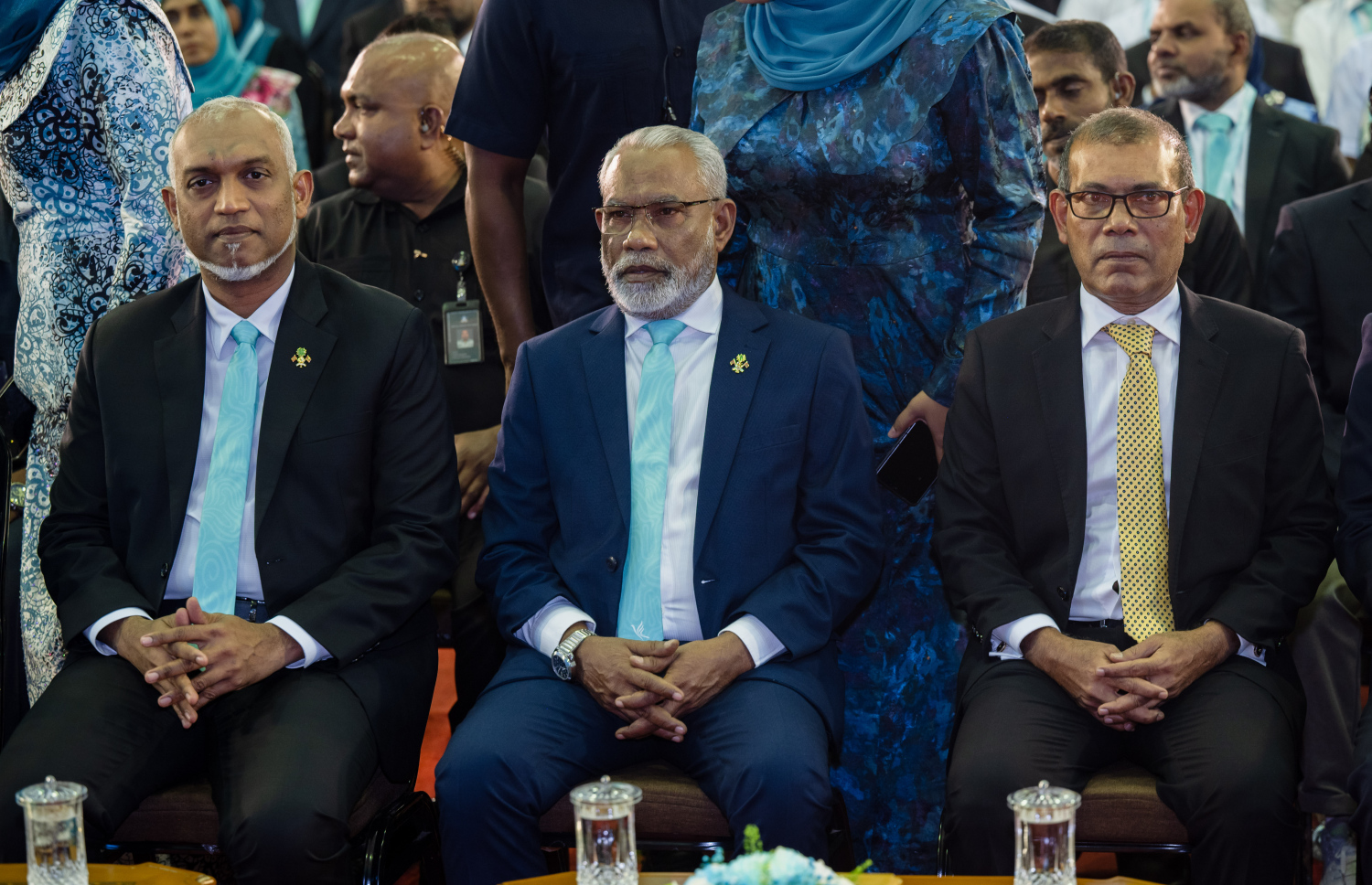
At almost the same moment, another answer to the wider debate surrounding Muizzu was arriving from overseas.
Malaysia’s Prime Minister was not speaking about overthrowing Muizzu. He was speaking about trusting him, working with him and expanding cooperation with his government.
Malaysia was not withdrawing from the Maldives. It was discussing a USD 100 million financing facility, preferential trade, investment, healthcare, defence, energy and other areas of cooperation.
These developments do not mean Muizzu has answered every criticism or fulfilled every promise. He has not, and there is still a substantial amount of his agenda left to deliver.
What they do suggest is that the picture of his presidency becomes very different once the political slogans are stripped away.
At home, his party is expanding and holding competitive internal elections while one of the country’s most prominent opposition figures is willing to attend its Congress.
Abroad, an important regional partner is publicly expressing confidence in Muizzu and discussing significant financial and economic cooperation with his government.
Meanwhile, the administration continues pursuing infrastructure projects, economic reforms and international partnerships while attempting to navigate some of the most difficult financial pressures the Maldives has faced in recent years.
People are free to disagree about whether Muizzu’s policies are the right ones. That argument will continue, as it should.
But it is becoming increasingly difficult to argue that nothing is happening, that nobody has confidence in the government or that the country has become politically and internationally isolated.
The actions taking place around Muizzu tell a considerably different story.
Nasheed’s attendance at the PNC Congress was one small but revealing example. Anwar’s words and Malaysia’s willingness to deepen its economic relationship with the Maldives provided another.
Perhaps the most important question for Maldivians, therefore, is not who can deliver the loudest political speech about Muizzu, but what the evidence around his presidency actually shows.
One of the most recognisable figures in the opposition was willing to walk into Muizzu’s Congress and shake his hand, while one of the region’s most prominent leaders came to Malé speaking openly about his trust in Muizzu and his desire to work with him.