

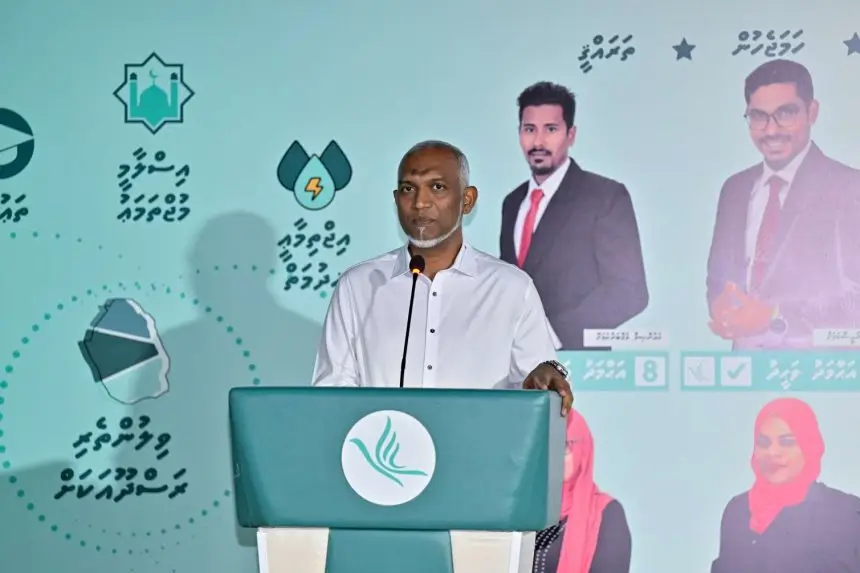
President Dr Mohamed Muizzu has acknowledged defeat in the recent referendum on synchronising national elections, attributing the outcome partly to misinformation campaigns that, he said, distorted the intent of the proposal.
Speaking at a victory gathering in AA. Rasdhoo following major council election wins by the ruling People’s National Congress, President Muizzu said the government respects the decision of the people but noted that false narratives circulated during the campaign contributed to confusion among voters.


According to the President, sections of the opposition spread misleading claims suggesting that the proposed reform would undermine democratic processes, extend political power, or weaken institutional independence. He stated that such assertions were inaccurate and diverted attention from the intended benefits of the proposal, including cost savings and improved electoral efficiency.
Muizzu also admitted that the government’s campaign did not sufficiently counter these narratives or clearly communicate the advantages of holding elections on the same day. “We must take responsibility for not explaining this well enough to the public,” he said, adding that future initiatives would place stronger emphasis on public awareness and engagement.
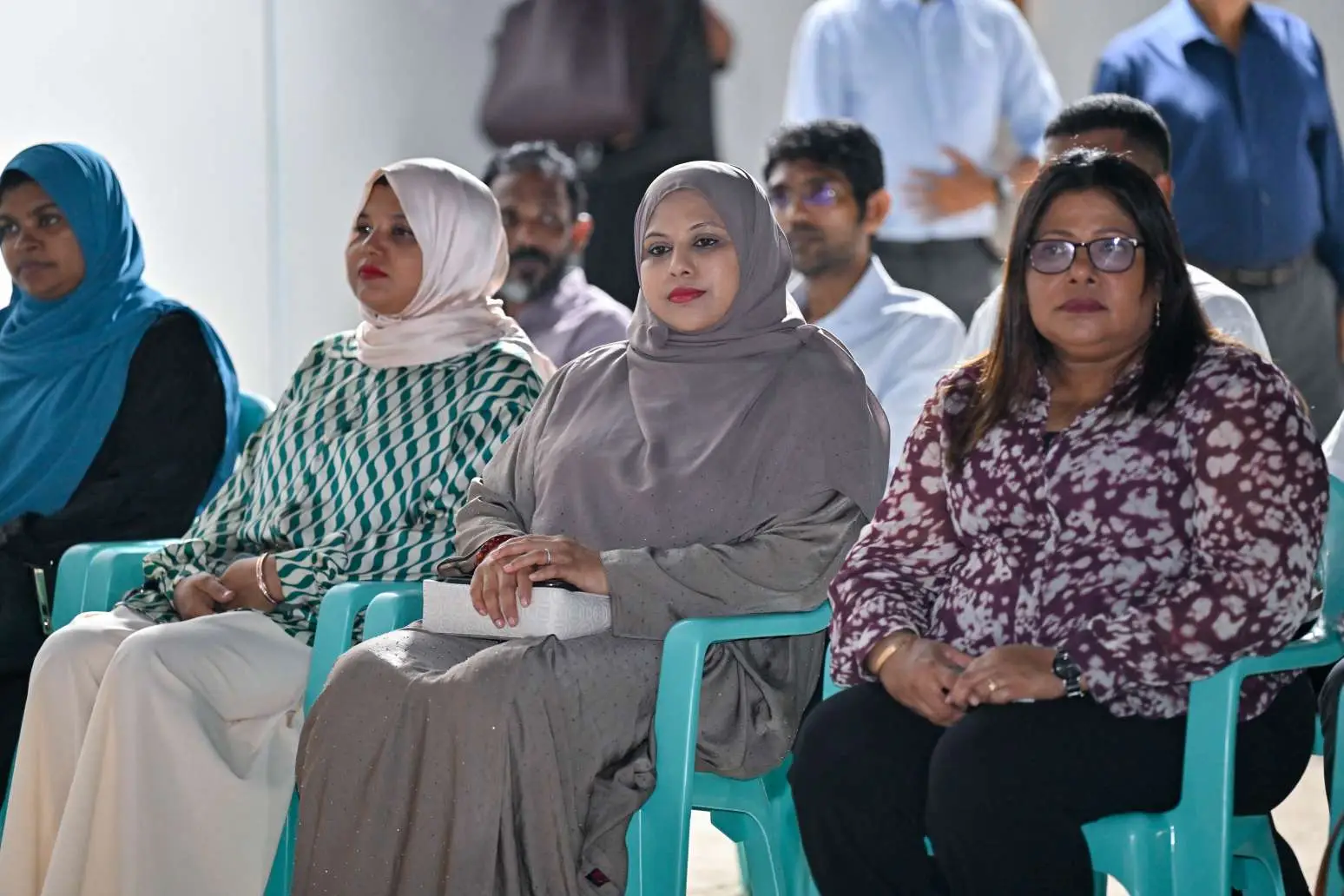
Despite the referendum setback, the President highlighted the ruling party’s success in securing key councils in longstanding opposition strongholds such as Rasdhoo, Ukulhas, and Thoddoo. He described the results as a reflection of growing public confidence in the government’s development agenda.
Reaffirming his administration’s stance, Muizzu said all councils, regardless of political alignment, would receive equal support. He emphasized that elected officials must serve all citizens impartially and uphold the trust placed in them.
The referendum, held alongside the local council elections, was a central policy initiative aimed at streamlining governance and reducing state expenditure. Its rejection, however, signals a disconnect between policy objectives and public perception.
Muizzu concluded by calling for lessons to be drawn from the outcome, including the need to counter misinformation more effectively and strengthen communication strategies. He reiterated that future policies would continue to be guided by national interest, while respecting the will of the people.