

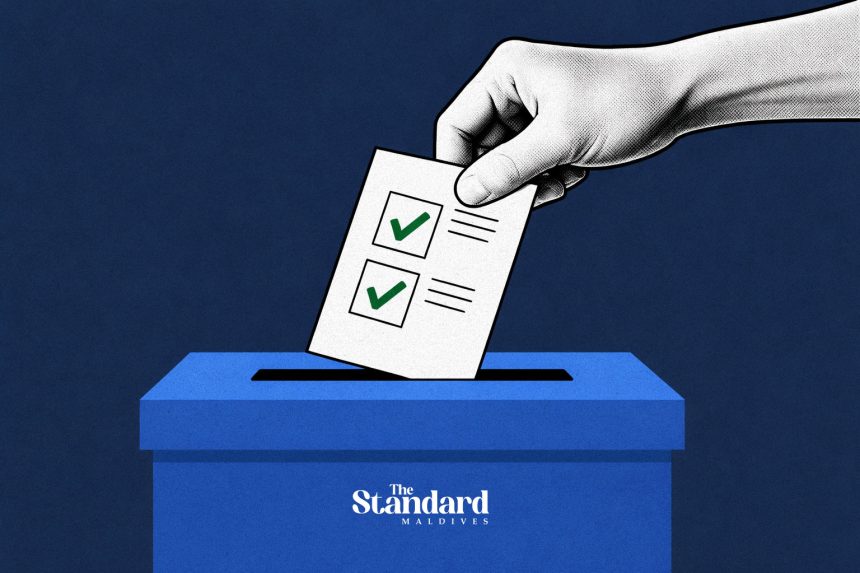
Every five years, Maldivians head to the polls multiple times. Within a single cycle, voters participate in presidential, parliamentary and local council elections — not to mention by-elections when vacancies arise. For a small nation, the frequency is notable. While elections are the lifeblood of democracy, the repeated cycles carry financial, administrative and social costs that increasingly feature in national debate.
Against this backdrop, proposals to hold presidential and parliamentary elections on the same day have gained traction. Advocates argue that synchronising the two national votes could reshape governance in meaningful ways — reducing expenditure, increasing participation and providing clearer political direction.

Lower Costs, Greater Efficiency
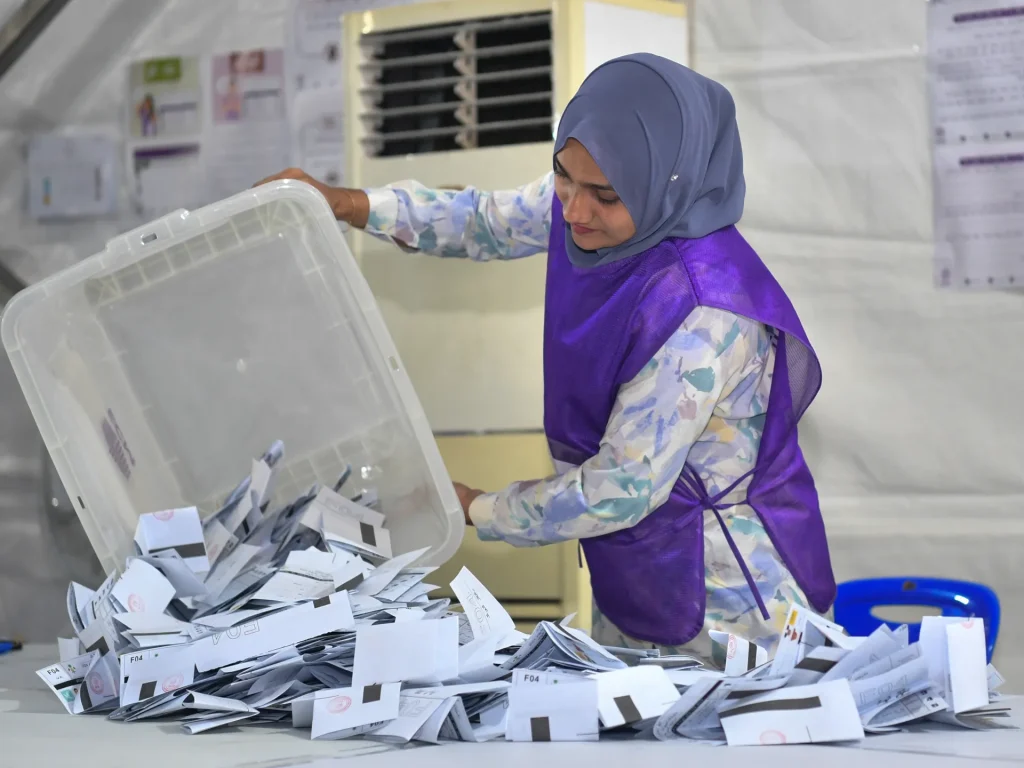
One of the most cited advantages is financial. Conducting two nationwide elections separately requires separate polling station preparations, staffing, security arrangements, ballot printing, logistics and voter awareness campaigns. Combining them would allow these resources to be shared.
Administrative overlap — including training election officials, deploying security forces and managing ballot distribution — could be streamlined into a single coordinated operation. Even conservative estimates suggest the state could save at least MVR 50 million by merging the two exercises.
Beyond monetary savings, there is also the cost to public services. A former senior official from the Elections Commission of Maldives noted that repeated elections disrupt schools and government offices. Synchronisation, supporters say, would ease such strain.
Stronger Voter Participation
Historically, presidential elections in the Maldives have recorded significantly higher turnout than parliamentary contests. Data over the past decade and a half illustrates the pattern:
- 2008 Presidential Election (Round 1): 85.37%
- 2008 Presidential Election (Round 2): 86.58%
- 2009 Parliamentary Election: 70%
- 2013 Presidential Election (Round 1): 87.2%
- 2013 Presidential Election (Round 2): 94.1%
- 2014 Parliamentary Election: 78.8%
- 2018 Presidential Election: 89.22%
- 2019 Parliamentary Election: 81.32%
- 2023 Presidential Election (Round 1): 79.85%
- 2023 Presidential Election (Round 2): 87.31%
- 2024 Parliamentary Election: 76.27%
The trend is clear: presidential contests consistently attract broader participation. President Dr. Mohamed Muizzu has argued that aligning parliamentary elections with presidential polls would allow more citizens to take part in choosing their lawmakers.
“In a true democracy, it is ideal for these representatives to be elected by a larger segment of the population,” he said, suggesting that synchronisation would ensure members of parliament carry a stronger mandate from a wider electorate.
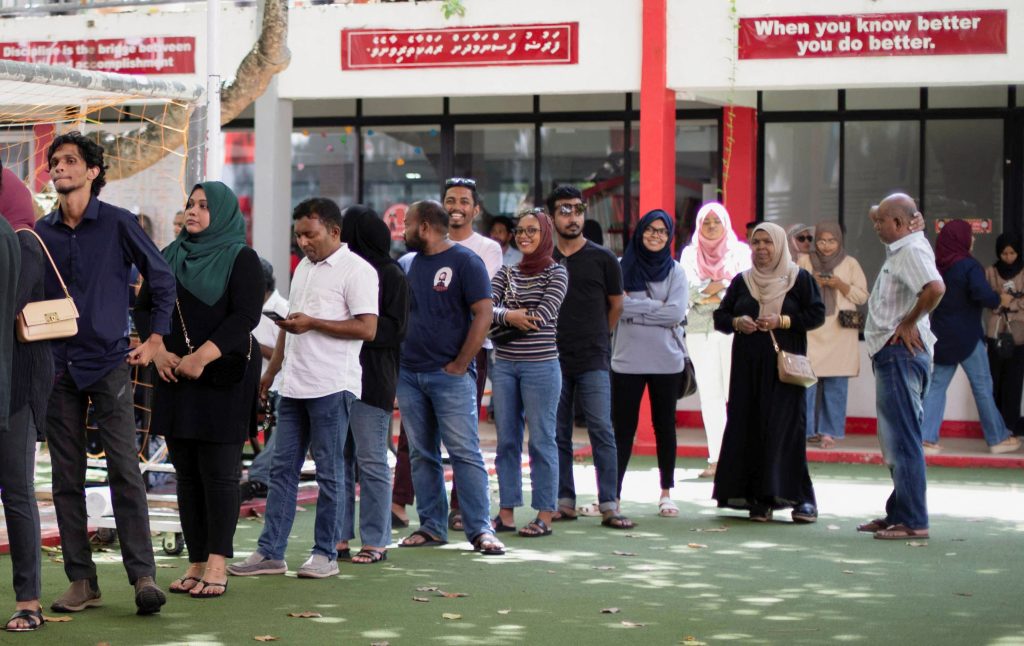
Supporters also point to voter fatigue. Multiple trips to polling stations over short intervals can dampen enthusiasm. A single, high-profile national election day may encourage stronger engagement and draw greater media attention.
A Clearer Political Mandate
Holding both elections at the same moment means the president and parliament would be chosen by the same electorate, at the same political moment. Advocates say this reduces ambiguity in interpreting public sentiment.
When national institutions reflect the same electoral mood, disputes over legitimacy are less likely. It also offers voters a coherent choice about the direction of government — not merely the leadership, but the legislative agenda that follows.
Greater Stability, Fewer Deadlocks
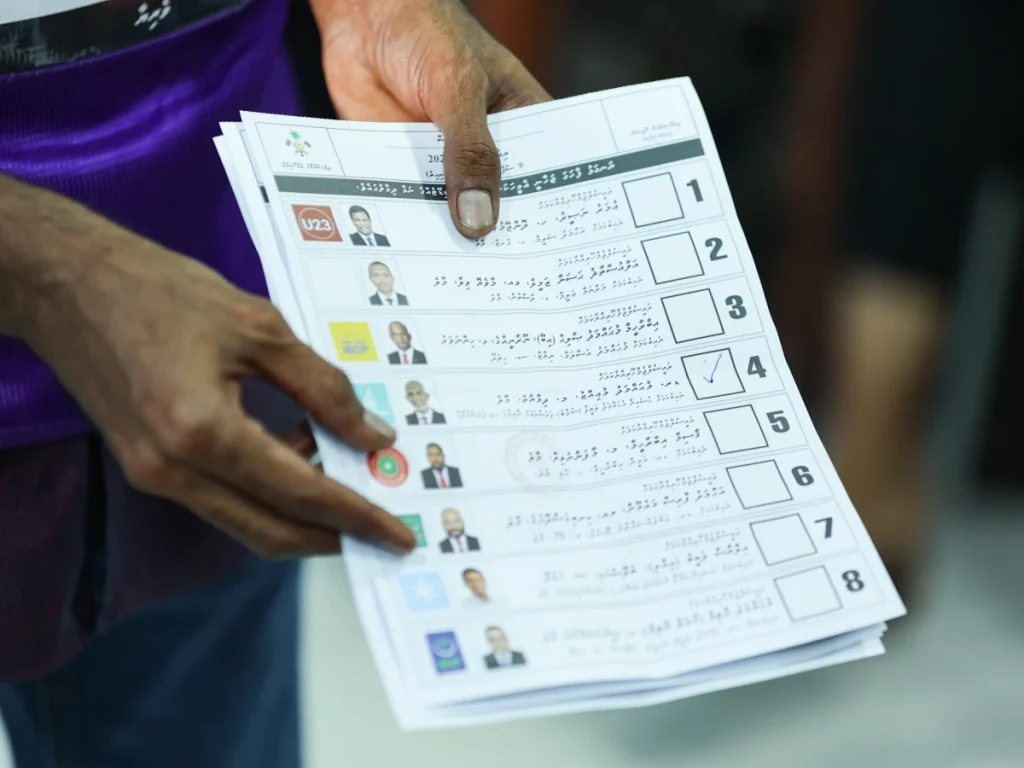
Another argument centres on governance stability. When presidential and parliamentary elections occur separately, the country can experience divided government — where the executive and legislature are politically opposed. This may lead to legislative gridlock, delays in passing budgets and stalled reform initiatives.
President Muizzu has spoken publicly about the challenges of governing with a parliament dominated by the opposition during his first year in office. He said some proposed projects appeared in the 2024 budget but were not allocated funding, causing delays.
By contrast, synchronised elections could increase the likelihood that voters choose a legislature aligned with the newly elected president, enabling early passage of laws and smoother policy implementation from the outset.
“From the beginning of the term, work will proceed with a unified vision and momentum towards the goals desired by the people,” he said.
Reduced Political Tension
Frequent elections bring prolonged campaigning — loudspeakers in neighbourhoods, rallies in public spaces and heightened political divisions within communities. For some citizens, the constant cycle energises democratic participation. For others, it creates fatigue and social strain.
Combining elections would shorten the overall campaign season, limiting disruption to businesses and public administration. Supporters argue that governments would spend less time preparing for the next contest and more time focusing on long-term development.
International Practice
The Maldives would not be alone in this approach. Countries such as Indonesia, Brazil and the United States conduct presidential and legislative elections simultaneously. Advocates argue that this reduces administrative burdens while strengthening democratic coherence.
Simplicity for Voters
For citizens — particularly those in remote islands — synchronisation would simplify participation. One registration process, one polling visit and one consolidated national event would ease logistical challenges.
In rural areas where transportation can be a factor, this convenience may be especially significant.
As debate continues, the proposal is expected to feature prominently in upcoming political discourse, particularly under the broader institutional reform agenda linked to the Maldives 2.0 vision.
At its core, the question is whether combining national elections would merely save money — or whether it could reshape governance by delivering clearer mandates, stronger participation and greater political stability.
For a country accustomed to frequent campaigns, the idea represents a structural shift in how democracy is practiced — one that supporters believe could make governance more focused, efficient and cohesive in the years ahead.