

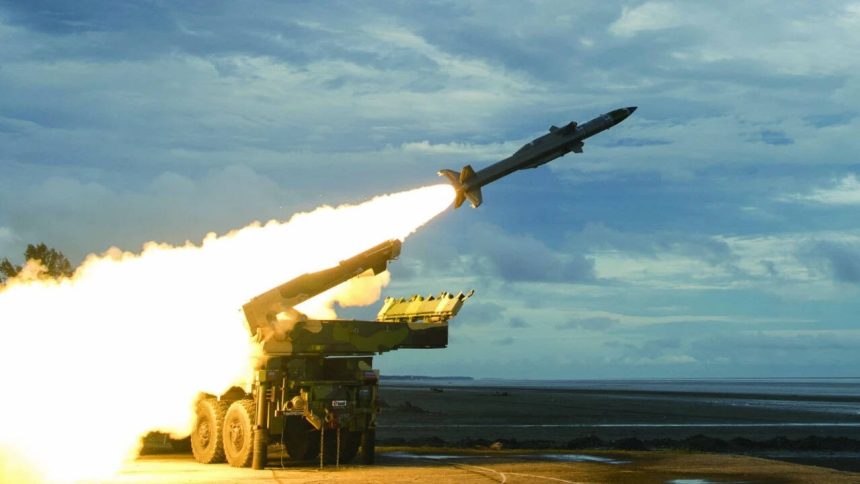
Indian defence technology firm IG Defence is preparing to conduct the first experimental trial of its indigenous JWALA micro-missile programme, marking an important step in India’s growing private-sector defence technology ecosystem.
The JWALA interceptor is expected to begin system-level testing in the coming months as the company moves towards validating the technology beyond individual components and subsystems.
The programme is being developed by India’s private defence sector, reflecting the country’s wider push to strengthen domestic capabilities in advanced weapons and reduce dependence on imported defence systems.

Micro-missiles are compact interceptor systems designed to provide a comparatively lightweight and potentially cost-effective response to emerging aerial threats. Such systems could become increasingly important as militaries worldwide confront the rapid proliferation of drones and other small airborne threats.
The upcoming testing phase will be particularly significant for JWALA. System-level trials are intended to determine how different elements of the interceptor perform together under experimental conditions, providing developers with crucial data before the programme can advance towards more sophisticated testing.
If successfully developed, JWALA could contribute to India’s expanding portfolio of domestically designed defence technologies while demonstrating the growing role of private companies in areas traditionally dominated by government defence organisations.
India has accelerated efforts in recent years to encourage indigenous defence manufacturing under its broader “Make in India” and self-reliance initiatives. Private companies and start-ups are increasingly working on drones, missiles, electronic warfare systems, artificial intelligence, surveillance technology and other advanced military applications.
The JWALA programme comes at a time when counter-drone and short-range air-defence capabilities are receiving greater attention globally. Recent conflicts have demonstrated how relatively inexpensive unmanned aerial systems can pose significant threats to military installations, infrastructure and personnel.
Smaller interceptor systems could potentially help address the cost imbalance created when expensive conventional air-defence missiles are used against cheaper aerial threats.
However, JWALA remains at an experimental stage, and its ultimate capabilities will depend on the results of testing and subsequent development.
The planned first trial will therefore represent an early but important milestone for IG Defence as it seeks to demonstrate that an indigenous private-sector micro-missile system can progress from development to real-world testing.
Successful trials could pave the way for further evaluations and potentially position JWALA as another example of India’s rapidly expanding privately developed defence technology sector.