

The state is projected to earn more than USD 11 billion, equivalent to approximately MVR 169 billion, during the 10-year development period of the Maldives Waterfront and Marina project in Ras Malé, Finance Minister Hassan Zareer has said.
Zareer outlined the expected financial benefits of the project following the signing of a Commercial Terms Agreement between the government and Eagle Hills, a major UAE-based real estate developer.
The USD 20 billion development is planned across approximately 500 hectares of Ras Malé and will be implemented in phases over a period of 10 years.

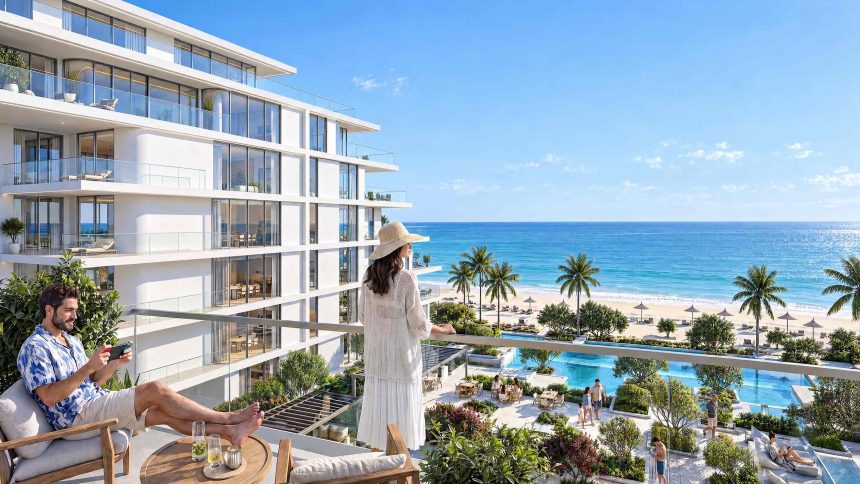
Plans for the development include residential housing, hotels and resorts, a marina, retail outlets and office spaces, alongside education and healthcare facilities.
According to Zareer, the projected USD 11 billion in state revenue over the development period works out to an average of approximately USD 1.1 billion annually.
The minister said the scale of the projected revenue becomes clearer when compared with what the government currently receives from the country’s existing tourism industry. He said the expected annual state revenue from the Ras Malé development alone would exceed the combined revenue currently collected from 179 resorts, 16 hotels, 920 guesthouses and 165 safari vessels.
Zareer said the figures demonstrate the potential of the project to strengthen government finances while contributing to the Maldives’ longer-term economic development.
The state is expected to generate revenue from the project through several channels.
In addition to Tourism Goods and Services Tax collected at the applicable standard rate, the government will receive 10 percent of the developer’s revenue from the initial sale and lease of properties within the development.
First-time buyers of properties within the project will also be required to pay the state an amount equivalent to four percent of the property’s value.Zareer stressed that the agreement does not provide the developer with tax concessions or exemptions from import duties.
The minister also said the government will not take out loans to finance the project and will not provide sovereign guarantees for its development.
This structure, according to Zareer, means the state will not assume financial obligations for implementing the project while still receiving direct revenue from the development.
The agreement also includes measures governing how money generated through property sales will be handled.
Zareer said all proceeds from property sales must be deposited into an escrow account established in the Maldives. Funds from the account will only be released according to procedures stipulated under the agreement.
All financial transactions connected to the project will also be required to go through Maldivian banks.
Beyond direct state revenue, the government expects the development to make a significant contribution to the wider tourism industry once it becomes fully operational.
Zareer said the completed development is expected to attract more than one million tourists annually after approximately 10 years. Tourism activity generated by the project is projected to contribute around USD 2 billion a year to the Maldivian economy.
The Maldives Waterfront and Marina is one of the largest developments planned for Ras Malé and is intended to create a large integrated destination combining tourism, residential living and commercial activity.
The government expects the project to significantly expand the country’s tourism offering while creating new sources of revenue and economic activity over the coming decade.